
Cumbrian Rivers Classed As Notably Low After Exceptionally Dry Summer.
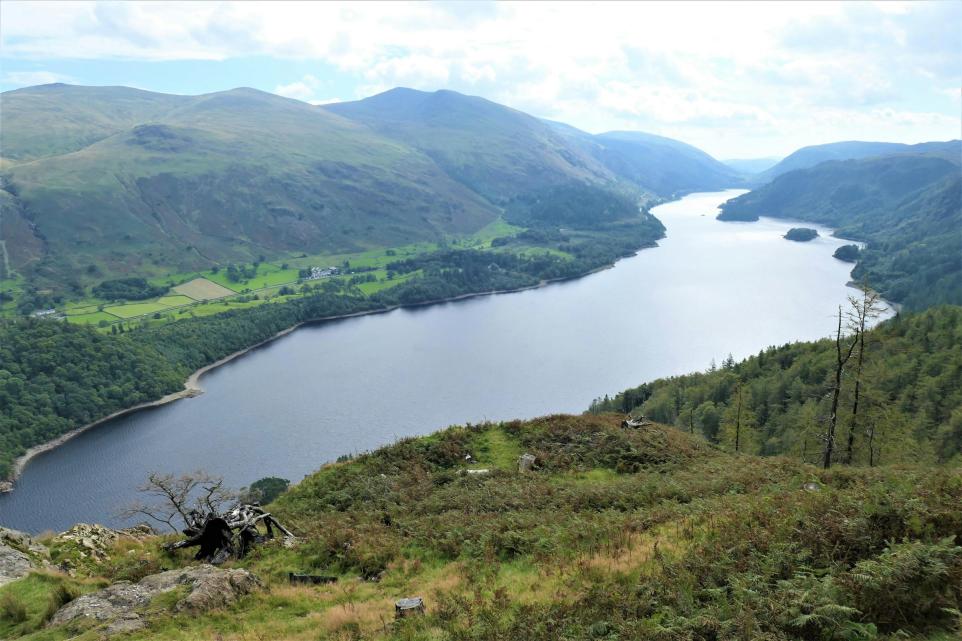
River levels across Cumbria have been classed as notably low following an exceptionally dry summer, highlighting the impact that prolonged periods of limited rainfall are having on the county’s waterways.
The unusually dry conditions have left rivers and streams running at significantly reduced levels in parts of the region. The situation has raised concerns about the potential effects on wildlife, habitats and water supplies, particularly if dry weather continues. Rivers play an important role in supporting ecosystems, with fish, insects, plants and other wildlife relying on healthy water levels throughout the year.
Cumbria is well known for its rivers and waterways, many of which flow through the Lake District and surrounding countryside. These rivers are an important part of the landscape and also support a wide range of recreational activities and local communities.
The unusually dry conditions have been particularly noticeable following a summer in which rainfall has been limited. With less water entering rivers from rainfall and groundwater, river levels can gradually fall, particularly during extended periods of warm and settled weather.
Low river levels can create challenges for aquatic wildlife, as reduced water flow can increase water temperatures and reduce available habitat. Fish and other species can become more vulnerable when rivers remain unusually shallow for prolonged periods.
The dry conditions can also affect farmland and agriculture. Farmers rely on adequate water supplies for livestock and crops, meaning prolonged periods without sufficient rainfall can create additional pressure during the summer months.
For people living in rural areas, changes in river levels can provide a visible indication of the wider impact of the weather. Rivers that normally carry significant volumes of water may appear noticeably smaller during exceptionally dry periods.
The situation also highlights the importance of monitoring water levels during prolonged dry weather. Environmental agencies and water organisations regularly monitor rivers and groundwater to assess the condition of water resources and identify areas where additional measures may be required.
The Lake District's rivers are particularly important because they form part of the area's distinctive landscape. Visitors are drawn to the region's lakes, waterfalls and rivers, while local communities depend on the surrounding environment for tourism and recreation.
A prolonged lack of rainfall could also increase the risk of other environmental problems, including dry ground and increased wildfire risk in vulnerable areas. Very dry vegetation can become more susceptible to fires, particularly during periods of warm weather.
The latest river conditions therefore provide another indication of how unusual the summer weather has been across Cumbria. While occasional dry spells are normal, extended periods of low rainfall can have wider consequences for the environment.
For residents and visitors, the low water levels may be particularly noticeable at popular riverside locations and beauty spots. However, the visual changes are also a reminder that the county's natural environment can be sensitive to prolonged changes in weather.
The impact on rivers will depend on how long the dry conditions continue and whether significant rainfall returns. Sustained rainfall would help replenish waterways, although the recovery of rivers and groundwater can take time after a prolonged dry period.
Environmental groups and authorities will continue to monitor conditions as the summer progresses, particularly if rainfall remains below average. The unusually low levels highlight the importance of protecting Cumbria's rivers and natural water resources, which support both wildlife and local communities. With the county's waterways currently showing the effects of the dry summer, attention will now turn to the weather in the coming weeks and whether rainfall can provide much-needed relief to rivers across Cumbria.
Got a news story or tip to share? Contact our editorial team by emailing news@lakelandpost.co.uk or call us directly on 0333 090 2080.