
Cumbrian Bee Saving Project Receives National Award.
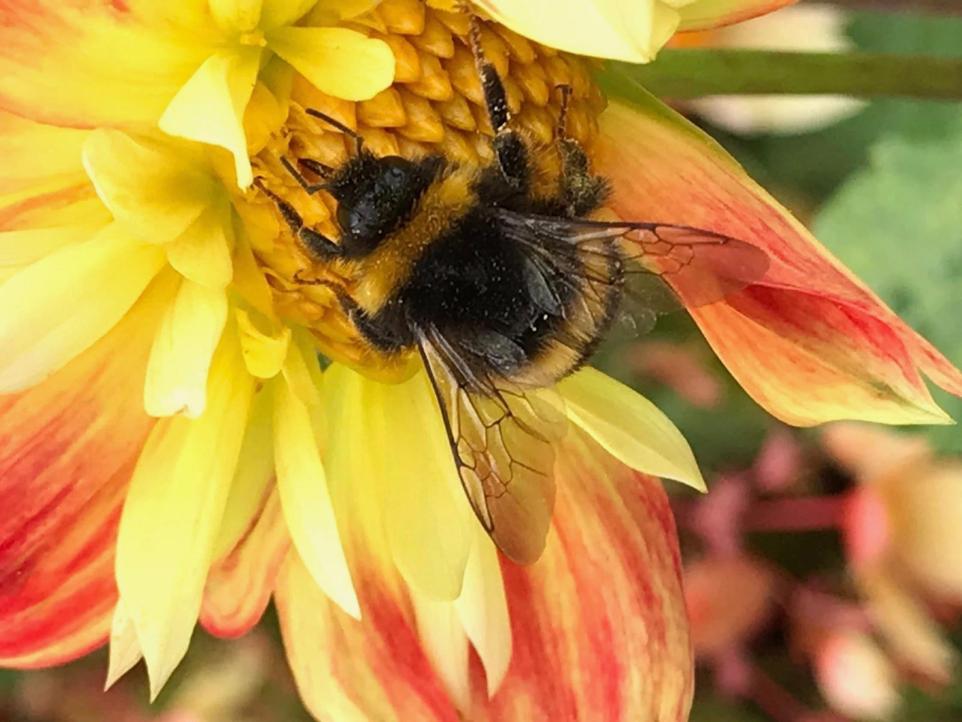
A Cumbrian project dedicated to protecting bees and other pollinating insects has received a prestigious national award, recognising efforts to create wildlife-friendly habitats across Westmorland and Furness.
The project is a partnership between Westmorland and Furness Council and Cumbria Wildlife Trust, with work beginning in 2023. Since then, 22 sites across the council area have started being transformed into species-rich lowland meadows and pollinator-friendly community gardens.
A total of 4.2 hectares of new habitat has been created through the project, providing valuable sources of pollen, nectar and food for bees, butterflies, hoverflies and other insects. The work is designed to support declining pollinator populations while improving local green spaces.
The project has also focused heavily on community involvement, with Cumbria Wildlife Trust delivering events and training for schools, councils, community groups and residents. The aim has been to give people the practical knowledge needed to establish and manage wildlife-friendly areas themselves.
More than 700 people have directly taken action to support pollinators through the project, helping to establish habitats in towns and villages across Westmorland and Furness. Organisers say the community-led approach has been an important part of the project's success.
The award comes amid concerns about the long-term decline of pollinating insects across the UK. Cumbria Wildlife Trust says populations of well-known insects such as butterflies, bumblebees and hoverflies have fallen significantly, highlighting the importance of creating suitable habitats outside traditional nature reserves.
Pollinating insects play a vital role in food production and biodiversity, helping plants reproduce and supporting wider ecosystems. The project aims to provide more connected habitats where insects can feed, breed and shelter throughout their life cycles.
Westmorland and Furness Council has welcomed the national recognition, describing the project as an example of how local authorities and communities can work together to help reverse pollinator decline. The council also encouraged residents to take simple steps to make their own gardens and green spaces more wildlife-friendly.
Residents can support pollinators by planting nectar-rich flowers, shrubs and trees, allowing sections of gardens to grow naturally and cutting grass less frequently. Organisers also recommend avoiding unnecessary disturbance of insect nests and hibernation sites.
The project demonstrates that relatively small changes to local green spaces can contribute to wider environmental goals. By creating suitable habitats in populated areas, the initiative is helping bring nature closer to communities across the county.
The national award also recognises the work of the volunteers, community groups, schools and council teams involved in developing and maintaining the sites. Their combined efforts have helped turn previously ordinary green spaces into areas designed specifically to support wildlife.
Organisers hope the success of Planting for Pollinators will encourage more people to take action for bees and other essential pollinating insects. The project is expected to continue benefiting wildlife as the newly created habitats mature.
The recognition provides a significant boost for local conservation efforts and highlights Cumbria's contribution to protecting pollinators. With hundreds of residents already involved, the project shows how community action can make a measurable difference to the natural environment.
Got a news story or tip to share? Contact our editorial team by emailing news@lakelandpost.co.uk or call us directly on 0333 090 2080.