
Inquests Taking Place At Cumbria Coroners Court This Week.
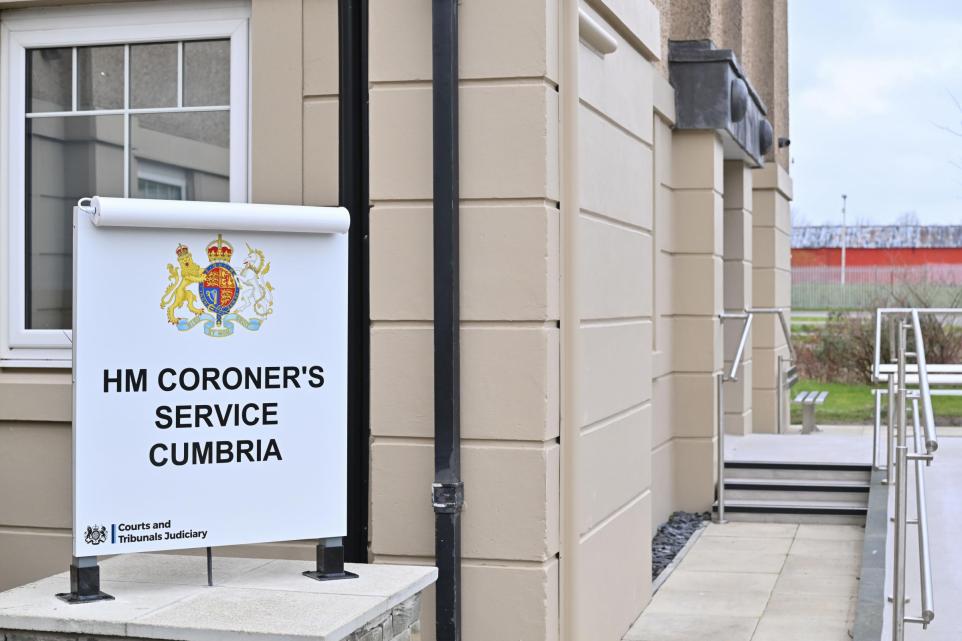
A number of inquests are taking place at Cumbria Coroners Court this week, with the proceedings examining the circumstances surrounding deaths reported to the coroner.
The hearings form part of the legal process used to establish who died, when and where they died, and how the death occurred. Inquests are generally held when a death is sudden, unexplained, violent or unnatural, or when the cause of death remains uncertain. The coroner considers available evidence and may hear from witnesses, medical professionals and other people who can provide relevant information.
The hearings listed for this week cover cases involving people who have died in Cumbria, with the coroner examining the available evidence surrounding each individual death. The process is designed to establish the facts rather than determine criminal responsibility or assign blame.
For bereaved families, an inquest can provide an important opportunity to understand what happened to their loved one. Evidence may include medical records, post-mortem findings, statements from witnesses and information gathered by police or the coroner's officers.
The proceedings can vary considerably depending on the circumstances of each death. Some inquests may be relatively straightforward and dealt with through documentary evidence, while more complicated cases can involve witnesses giving evidence in court. A coroner's investigation can also involve a number of different organisations. Police, medical professionals, hospitals and other agencies may provide information to help establish the circumstances surrounding a death.
Inquests are fact-finding proceedings, rather than criminal trials. The coroner's role is to establish the relevant facts and reach a conclusion about the death based on the evidence presented. The conclusions reached at the end of an inquest can include findings such as natural causes, accident, suicide, unlawful killing or other formal conclusions, depending on the evidence available.
In some cases, an inquest may also identify concerns that could potentially contribute to future deaths. Where appropriate, a coroner can make recommendations or issue a report aimed at helping prevent similar incidents from happening again. The cases being heard this week form part of the ongoing work of Cumbria's coroner service, which investigates deaths that meet the legal criteria for a coroner's investigation.
Members of the public can generally attend inquests because they are public proceedings, although arrangements can vary depending on the circumstances of individual hearings. For families and other interested people, attending an inquest can be an emotional experience, particularly when detailed evidence about a death is heard in court. The process nevertheless provides an opportunity for important questions to be examined.
The hearings also demonstrate the wider role played by coroners in the justice system. Their investigations can help provide clarity where the circumstances of a death are not immediately clear. As the week's proceedings continue, evidence will be considered on each individual case and the coroner will determine what conclusions can properly be reached from the information available. The Cumbria Coroners Court hearings provide an important part of the process of establishing the circumstances surrounding deaths across the county and ensuring that the relevant facts are formally recorded.
Got a news story or tip to share? Contact our editorial team by emailing news@lakelandpost.co.uk or call us directly on 0333 090 2080.