
Farron Warns Whisky Rules Could Damage Lake District Distillers.
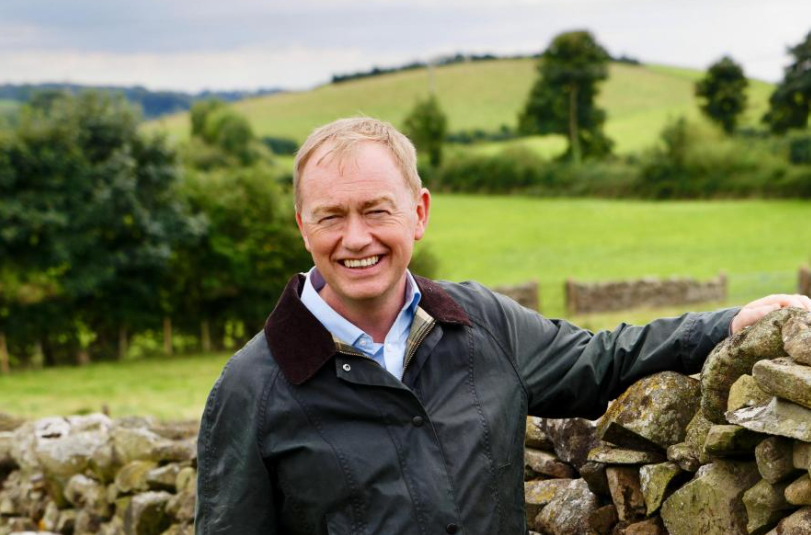
Westmorland and Lonsdale MP Tim Farron has raised concerns about new rules governing the definition of English single malt whisky, warning that the changes could have implications for distillers in the Lake District.
Farron raised the issue in Parliament during an urgent question on 15 September 2026, following the Government’s decision to grant protected geographical indication status to English whisky. He argued that the approved definition of English single malt does not provide the same single-site production requirement that applies to Scotch single malt.
Under the new English specification, whisky must be distilled at a single distillery, but some stages of production can take place away from that site. The Government has said the specification was developed by the English Whisky Guild and complies with UK legislation and the requirements of the geographical indication system.
Farron said the term “single malt whisky” has an established meaning for consumers and argued that differences between the English and Scotch definitions could create confusion. He also raised concerns about the potential impact on established whisky producers that have invested in maintaining traditional production practices.
The MP specifically highlighted the importance of whisky production to Cumbria and the Lake District, saying that English whisky from the Lakes has developed a growing reputation. He also pointed to the annual Kendal Whisky Festival, where Cumbrian distilleries showcase their products alongside whiskies from elsewhere in Britain and beyond.
The Government, however, defended the new geographical indication. Environment Minister Stephen Morgan said English whisky had now joined the protected family of UK whisky geographical indications and described the move as recognition of a growing industry.
The minister said there are now more than 70 distilleries producing or maturing English whisky, with exports reaching 30 countries. He said the sector supports skilled employment, investment and British agriculture through the use of British-grown grain.
The Government also stressed that the new English rules do not change the protected status or production requirements of Scotch whisky, Welsh whisky or Irish whiskey. Ministers said the English specification had gone through the statutory geographical indication process and an opposition procedure before registration. Farron also criticised the short period available for objections and parliamentary scrutiny, arguing that producers and other interested parties needed sufficient time to examine the implications of the new rules.
DEFRA's current guidance confirms that the opportunity to object to the English Whisky/Whiskey geographical indication application closed on 14 September 2026. The debate leaves the Lake District whisky industry facing a changing regulatory environment as English whisky continues to establish its identity and reputation in domestic and international markets.
Got a news story or tip to share? Contact our editorial team by emailing news@lakelandpost.co.uk or call us directly on 0333 090 2080.