
US Midterm Election Setback Could Reshape Trump’s Policies Towards Iran, Israel and Ukraine
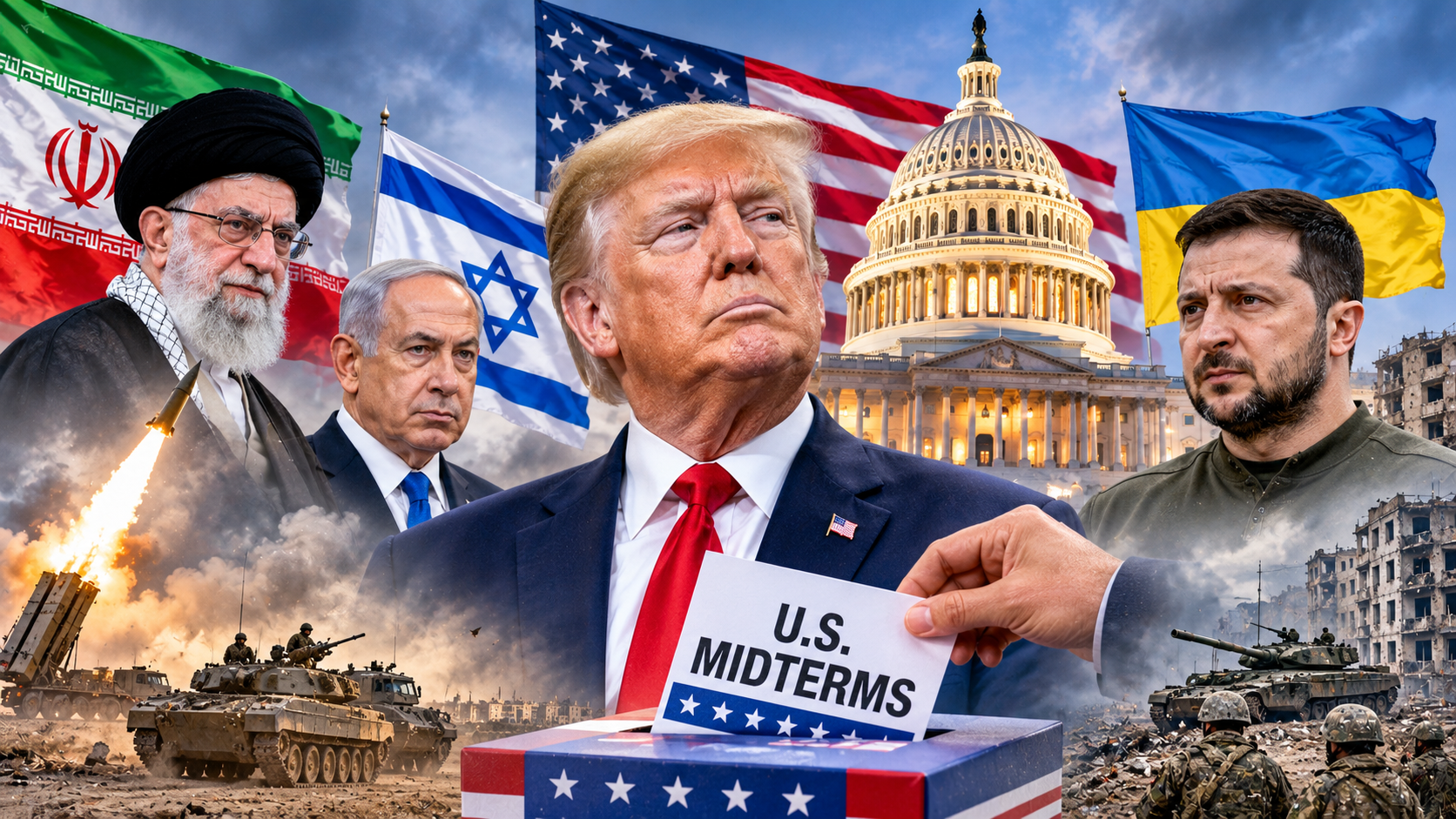
The outcome of the US midterm elections could have far-reaching consequences for international relations, particularly as Washington faces continuing tensions involving Iran, Israel and Ukraine.
Democrats’ victories in both chambers of Congress give them greater opportunities to challenge Trump’s foreign policy decisions. They can use congressional oversight, funding decisions and legislative proposals to scrutinise his administration. However, the president retains considerable freedom to direct military and diplomatic operations overseas, meaning the election result does not automatically change US foreign policy.
For Iran, the election setback has created uncertainty over whether Trump will pursue renewed negotiations or consider further military action. Tehran has welcomed the Republican losses, with parliamentary speaker Mohammad Bagher Ghalibaf warning Washington against ignoring American public opinion. Iran’s leadership, however, has indicated that its national strategy will not depend on the outcome of US elections.
Diplomatic efforts remain a possible route towards reducing tensions. Discussions involving Qatari mediators have reportedly gained momentum, with proposals being circulated between Tehran and Washington. Analysts suggest that an interim agreement concerning the Strait of Hormuz could be more achievable than a comprehensive settlement. However, concerns remain that either side could interpret the political situation as an opportunity to increase pressure.
Relations between the United States and Israel could also face significant changes. The election results come amid growing criticism of American support for Israeli military operations. Former Israeli ambassador to the US Michael Oren warned that the political shift could affect more than military assistance, potentially raising questions about intelligence cooperation, weapons sales and joint defence programmes.
For Ukraine, the result offers the possibility of renewed congressional support as it continues defending itself against Russia’s invasion. Democrats could propose additional military and financial assistance, although securing enough support to overcome a presidential veto would be difficult. Even if a new package gains approval, it may not arrive quickly enough to address Ukraine’s immediate shortage of Patriot air defence interceptors.
Ukrainian officials have indicated that Kyiv intends to maintain stable relations with whoever holds power in Washington. However, uncertainty surrounding future American assistance remains a major concern. Ukraine continues to need military equipment, financial support and security cooperation, while European allies are likely to remain important to its wider defence strategy.
The election outcome therefore presents different challenges for all three countries. Iran faces uncertainty over the balance between military confrontation and diplomacy, Israel could encounter greater scrutiny of its relationship with Washington, and Ukraine is watching for changes in American support. The extent of any shift will depend on decisions made by the White House and the new Congress in the months ahead.
For further local news, community updates and story tips, contact news@lakelandpost.co.uk or 0333 090 2080.