
Russian Drone Attacks Make Black Sea Increasingly Dangerous For Commercial Shipping
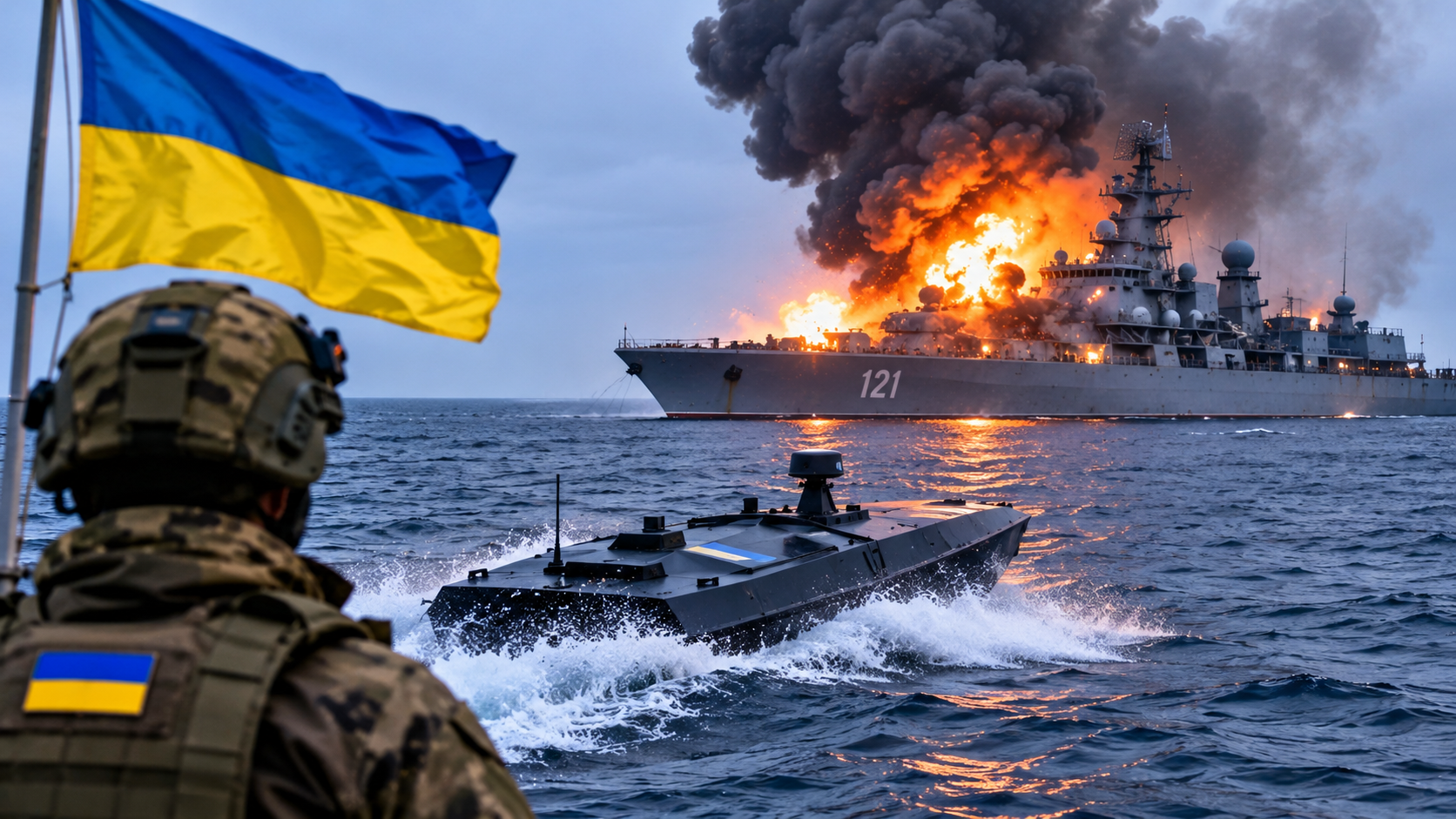
A series of drone attacks on commercial vessels is making the Black Sea increasingly dangerous, with dozens of sailors reported dead or missing.
At least 12 merchant ships have been struck in recent weeks, according to maritime tracking services and government reports from Romania and Bulgaria. The attacks have affected vessels operating close to NATO member states' territorial waters, raising concerns about the growing reach of the war between Russia and Ukraine. At least 30 mariners have been killed or remain missing during the latest escalation.
The attacks appear to be aimed at disrupting maritime trade through Ukrainian ports, which handle most of the country's grain exports. Russian strikes have intensified over the past month, with maritime and aerial drones reportedly being used together. Newer jet-powered drones have also been deployed, making them faster and more difficult to intercept, while other systems are reportedly capable of targeting moving vessels.
One of the latest incidents involved the container ship Contship Jet, which was struck by three drones as it approached a Romanian port. The vessel was travelling towards Constanța from Haifa, Israel, carrying 421 containers. Its crew abandoned the ship and were rescued by Bulgarian authorities. The vessel later sank after sustaining severe damage, with the incident occurring approximately 25 kilometres from the Bulgarian coast.
Earlier attacks have also resulted in significant loss of life. In October, the Turkish-owned vessel Alfa Watan was struck while travelling from Egypt towards Romania, killing 10 crew members. Another ship, HS Dignity, was hit several days later near the Bulgarian coast, leaving 11 sailors missing. Further attacks on commercial vessels on 15 October resulted in additional fatalities, according to Romanian officials.
The increasing danger has prompted countries bordering the Black Sea to strengthen maritime security. Romania has begun deploying F-16 aircraft to patrol its coastline, while one of its jets reportedly intercepted two newer-generation Russian drones over Romanian territorial waters in late October. NATO has also announced plans to provide additional maritime patrol aircraft, radar systems, drones and intelligence support to monitor threats to shipping.
The attacks are also affecting commercial confidence in the region. Shipping traffic towards Ukrainian ports has fallen, while insurance costs have increased. The London insurance market's Joint War Committee has expanded the areas classified as high-risk to include the wider Black Sea, excluding the territorial waters of Turkey, Romania, Bulgaria and Georgia. Higher premiums are adding pressure to companies considering whether to continue operating in the region.
The consequences extend beyond maritime security, particularly for international food supplies. Around 90 per cent of Ukraine's agricultural exports pass through the Black Sea, including wheat, maize and sunflower oil. Ukraine is a major supplier to global markets, and disruption to its export routes could affect food availability and prices in countries that depend on agricultural imports. German Foreign Minister Johann Wadephul has described the waterway as important to global food security.
Responsibility for individual attacks has remained disputed in some cases, with investigations continuing and Russia not publicly acknowledging responsibility for the reported incidents. Ukraine has accused Russia of targeting civilian shipping, while the United States has also criticised attacks on commercial vessels by both sides. Regional governments and NATO members are now facing growing pressure to protect maritime routes and prevent further casualties among international crews.
For further local news, community updates and story tips, contact news@lakelandpost.co.uk or 0333 090 2080.