
Trump, Xi And Putin Hold Historic Trilateral Summit But Major Global Conflicts Remain Unresolved
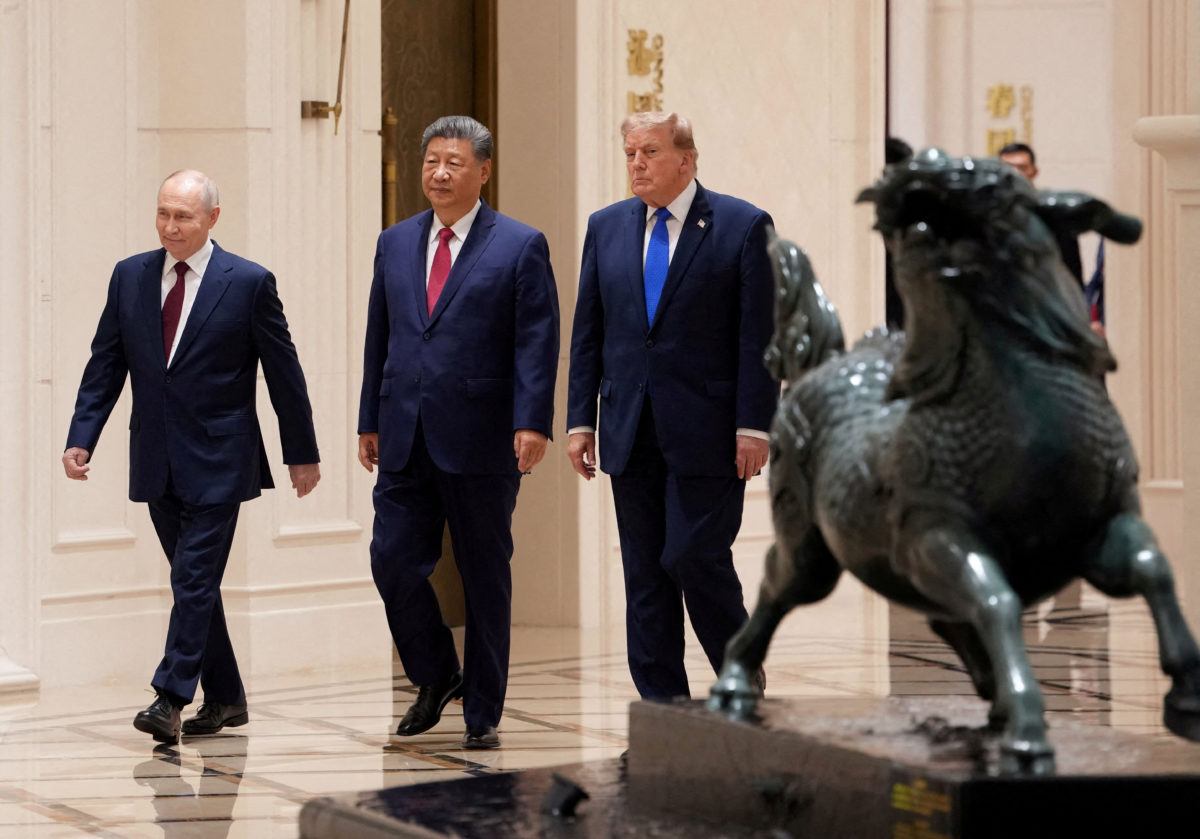
The leaders of the United States, China and Russia have held an unprecedented summit in Shenzhen, discussing global security, energy and nuclear risks.
The meeting took place on 19 November on the sidelines of the Asia-Pacific Economic Cooperation (APEC) summit. It brought together Trump, Xi and Putin for their first-ever trilateral gathering as the leaders of the three countries. The discussions lasted more than an hour and were followed by a joint declaration described by the participants as a peace declaration. The event attracted international attention because the three nations possess the world's largest nuclear arsenals and hold considerable influence over global security and economic affairs.
One of the main outcomes was an agreement in principle to work towards stable global energy supplies. The declaration reaffirmed the importance of reliable energy flows at a time when international markets have faced disruption from geopolitical conflicts. The war involving the United States and Iran, alongside attacks on Russian energy infrastructure linked to the Ukraine conflict, has contributed to uncertainty. However, the leaders did not announce a detailed plan explaining how they would secure energy routes or coordinate their policies.
Nuclear security was another central issue. Xi called for nuclear weapons to be comprehensively prohibited and destroyed, warning that nuclear war cannot be won and must never be fought. Trump also highlighted the responsibility shared by the three countries because of their enormous nuclear capabilities. The joint declaration included commitments to dialogue on reducing nuclear risks, preventing proliferation and maintaining strategic stability. Despite these statements, the summit did not produce a new nuclear arms control agreement or a detailed timetable for negotiations.
The meeting also raised questions about the future of international diplomacy and whether the three powers could establish a more regular framework for cooperation. Their joint appearance was presented as a demonstration that countries with significant disagreements can still engage directly. Putin described the discussion as frank and said it helped the leaders understand one another better. However, analysts and international observers will be watching whether the diplomatic engagement leads to practical cooperation beyond the statements issued in Shenzhen.
China's Xi Jinping gained a prominent role by hosting the summit and chairing the discussions. The gathering provided Beijing with an opportunity to present itself as an important diplomatic centre capable of bringing major international powers together. Xi called for the countries to move away from a Cold War mentality and develop a more cooperative relationship. China's approach also appeared to keep the discussion focused on broad principles, avoiding some of the most difficult disagreements between the three governments.
For Putin, the meeting offered an opportunity to demonstrate Russia's continued presence in major international diplomacy. His participation alongside the American and Chinese presidents gave Moscow a high-profile platform at a time when relations with Western governments remain strained over the war in Ukraine. Putin also held separate discussions with Trump and Xi during the wider diplomatic programme. His appearance at the summit reinforced Russia's position as a major international power, although it did not produce a publicly announced agreement on Ukraine.
The war in Ukraine remained one of the major unresolved issues. Putin referred to the conflict during discussions, but it was not the central subject of the trilateral meeting. The joint declaration did not mention the war, and no ceasefire agreement, peace framework or timetable was announced. Ukraine was not represented at the summit, while European governments were also absent from the three-way discussions. The omission highlighted the difficulty of reaching decisions on a conflict involving countries that were not present at the table.
The conflict involving the United States and Iran was also not addressed in detail in the final declaration. Trump reiterated his position that Iran must not obtain nuclear weapons and discussed the importance of keeping the Strait of Hormuz open. The waterway is a strategically important route for international oil shipments. However, the summit did not announce a ceasefire, diplomatic framework or agreement involving Tehran. The absence of concrete measures left questions about how the three countries intend to approach the continuing regional crisis.
Another significant element of the declaration concerned the International Criminal Court (ICC). The three leaders criticised what they described as the misuse of international jurisdiction and argued that state officials should be protected from prosecution. The position reflects longstanding tensions between the court and all three countries, none of which is a member of the ICC. Russia has faced particular criticism following the court's arrest warrant for Putin over alleged war crimes connected to the Ukraine conflict.
The declaration also referred to reforming the United Nations, but offered limited detail about the changes the three governments would support. The leaders said major powers should cooperate to protect international peace and security. They also emphasised the need to resolve differences through dialogue. Without specific proposals, however, it remains unclear whether the countries share the same vision for changes to the UN system or how any reforms would be negotiated with other member states.
The summit has therefore produced a mixture of diplomatic symbolism and broad commitments rather than major agreements on the most pressing conflicts. The leaders presented their meeting as a historic opportunity for cooperation, but disagreements over Ukraine, Iran, nuclear policy and international institutions remain. The next test will be whether the promises made in Shenzhen lead to further negotiations and measurable action. Their future engagement, including the next G20 gathering, could provide a clearer indication of whether this meeting marks the beginning of a sustained diplomatic process.
For further local news, community updates and story tips, contact news@lakelandpost.co.uk or 0333 090 2080.