
Settle to Carlisle Railway Diversions Win Regional Rail Award
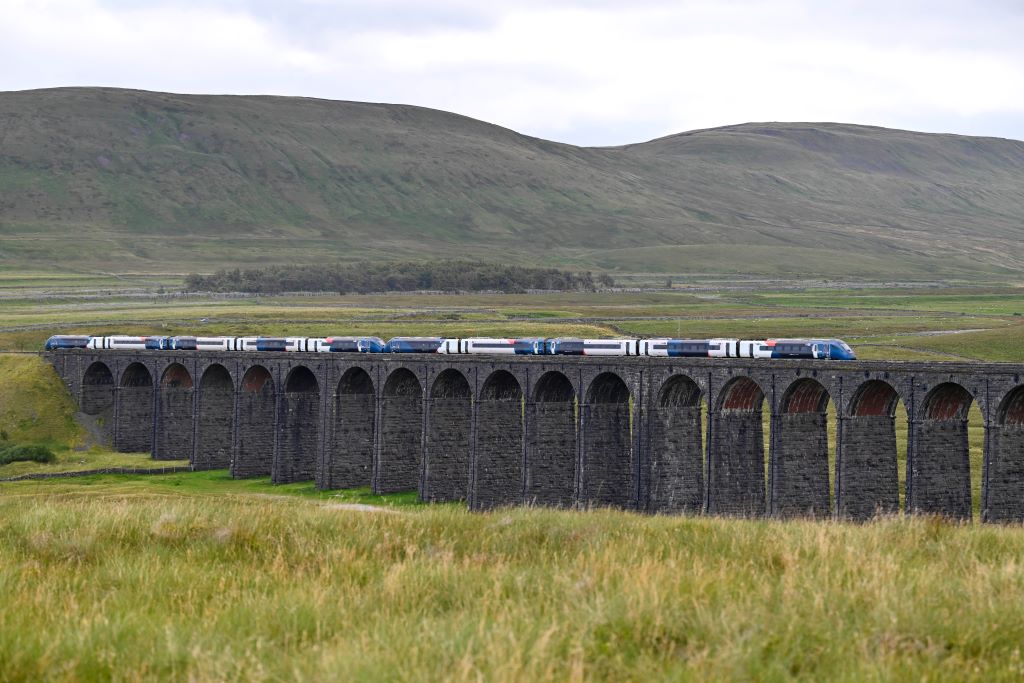
Avanti West Coast has won a regional rail award for keeping passengers moving during major West Coast Main Line closures.
The intercity train operator received the Delivering for the Customer award at the Spotlight Rail Awards North, recognising its decision to divert services along the historic Settle to Carlisle railway during essential engineering work. The alternative route allowed passengers to continue travelling by train when sections of the main line were unavailable, maintaining important connections between Scotland and north-west England.
The diversion was used during three separate periods of engineering work in 2026. Network Rail carried out a 14-day programme in January, followed by a two-day closure over the Easter weekend and a further nine-day programme towards the end of April. The work required changes to normal train operations, prompting the operator to find an alternative way to keep journeys running wherever possible.
January marked a notable moment for the historic railway, as it was the first time in more than a decade that scheduled intercity passenger trains had operated along the Settle to Carlisle line. The route is renowned for its scenery and engineering heritage, but its use for long-distance passenger diversions demonstrated its practical importance to the wider railway network during major infrastructure projects.
During the closures, Avanti West Coast operated a non-stop shuttle service approximately every two hours using its Class 805 Evero trains. The services were designed to keep passengers travelling by rail rather than relying entirely on replacement buses. The arrangements helped maintain connections across the region while Network Rail completed work that required sections of the West Coast Main Line to be taken out of service.
The Class 805 Evero fleet played an important role because the Settle to Carlisle route does not have overhead electric wires throughout. The trains can operate using either electric or diesel power, allowing them to continue running on sections without electrification. Their diesel capability made them suitable for the diversion and enabled the operator to use existing railway infrastructure rather than depend solely on road transport.
Preparing the alternative services required extensive coordination between Avanti West Coast, Network Rail and other railway organisations. Teams carried out testing to establish that the trains could operate on the route, alongside additional staff training and operational planning. Transport interchange arrangements were also developed at locations including Lockerbie to help passengers navigate the altered services during the engineering closures.
The decision to keep passengers on trains was supported by research from Transport Focus published in 2015. The research found that passengers generally preferred to remain on rail services, even when their journeys involved diversions. That preference helped inform the approach taken during the closures, with the operator seeking to maintain rail connections while limiting the need for lengthy replacement-bus journeys.
The diversion also helped demonstrate how existing railway lines can provide alternatives when major infrastructure requires temporary closure. By making use of the Settle to Carlisle route, the operator was able to continue offering rail journeys between key destinations rather than suspending all services across the affected corridor. The approach relied on close cooperation between train operators and infrastructure teams to manage the practical challenges of running services along an alternative route.
Chris Liptrot, operations director at Avanti West Coast, welcomed the award and recognised the work involved in delivering the diversionary services. He said the achievement reflected extensive planning and innovative thinking, adding that cooperation with industry partners had established a successful approach to maintaining passenger journeys during major engineering work on the northern sections of the West Coast Main Line.
The engineering work formed part of wider efforts to maintain and improve railway infrastructure across the North West. Such projects can require significant disruption to regular timetables, particularly when bridges or other essential structures need to be replaced or upgraded. Alternative rail routes can help reduce the impact on passengers, although diversions may involve changes to journey times, stopping patterns and connections.
The Settle to Carlisle railway is particularly well known for its historic character and distinctive landscape, crossing parts of North Yorkshire and Cumbria on its journey between Settle and Carlisle. While it is valued as a scenic railway in its own right, the successful diversion showed how the line can also support the wider network during periods of disruption. Its use for intercity services brought a route more commonly associated with regional and leisure travel into a wider operational role.
The award recognises the combined work involved in planning and delivering the services, rather than simply the use of an alternative route. Testing, staff preparation, passenger arrangements and cooperation across the railway industry were all important parts of the operation. The experience may also provide a useful example for future engineering programmes when the West Coast Main Line faces significant closures and operators need to maintain connections between England and Scotland.
For further local news, community updates and story tips, contact news@lakelandpost.co.uk or 0333 090 2080.