
Nvidia Chief Jensen Huang Warns AI Risks Are Being Underestimated By Business Leaders
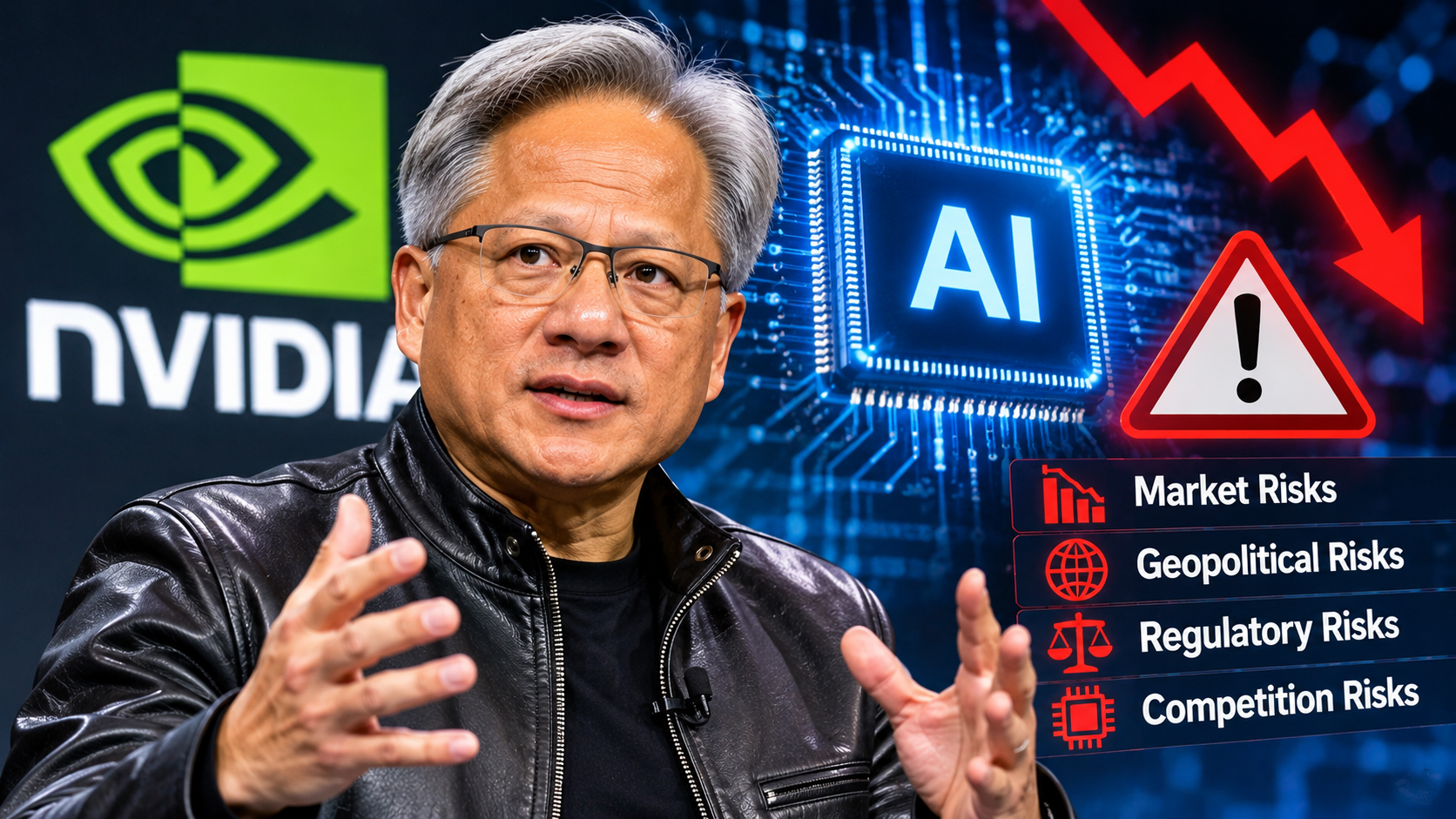
Nvidia’s leadership crisis has drawn attention to the risks facing major artificial intelligence companies when their success is closely tied to one individual.
Jensen Huang, who co-founded Nvidia in 1993, has become one of the most influential figures in the global technology industry. Under his leadership, the company has grown into a business valued at approximately $4.5 trillion, supplying the advanced chips that power many of the world's leading AI systems.
However, recent allegations involving Huang have prompted questions about his position and the company's ability to operate without him. Nvidia's board announced an independent investigation into reports that the chief executive had been targeted in a foreign intelligence operation. The company said it had no reason to believe national security or its confidential information had been compromised.
Huang has also acknowledged having an extramarital relationship with an executive reportedly connected to the controversy. He apologised for the personal harm caused and said he accepted responsibility for his actions. Reports alleging links to Chinese intelligence remain under investigation and have not been established as fact.
The situation has highlighted what business analysts describe as key-person risk: the danger that a company's performance, reputation and strategic direction depend too heavily on one senior figure. Similar concerns have been raised about Tesla and SpaceX, led by Elon Musk, and OpenAI, where Sam Altman is closely associated with the organisation's identity and direction.
At Nvidia, Huang has played a central role in shaping the company's strategy, building relationships with governments and technology businesses, and promoting investment in AI infrastructure. His influence extends beyond chip manufacturing, with the company also investing heavily in businesses and projects across the wider artificial intelligence sector.
Corporate governance experts have questioned whether Nvidia has sufficient succession arrangements should Huang be unable to continue as chief executive. The company's leadership structure has attracted particular attention because a large number of senior executives report directly to him, while no clear replacement has been publicly identified.
The issue is particularly important because Nvidia occupies a central position in the global AI industry. Its chips are used by major technology companies to develop and operate artificial intelligence systems. Any prolonged uncertainty surrounding its leadership could therefore affect investor confidence and create wider concerns across the technology sector.
Nvidia's board now faces the challenge of completing its investigation while maintaining confidence among investors, employees and business partners. Huang has indicated his commitment to continuing as chief executive, but the controversy has renewed debate about corporate accountability and the importance of preparing major technology companies for leadership changes.
For further local news, community updates and story tips, contact news@lakelandpost.co.uk or 0333 090 2080.