
US And Iran Hold Secret Talks As Donald Trump Signals Fresh War May Be Avoided
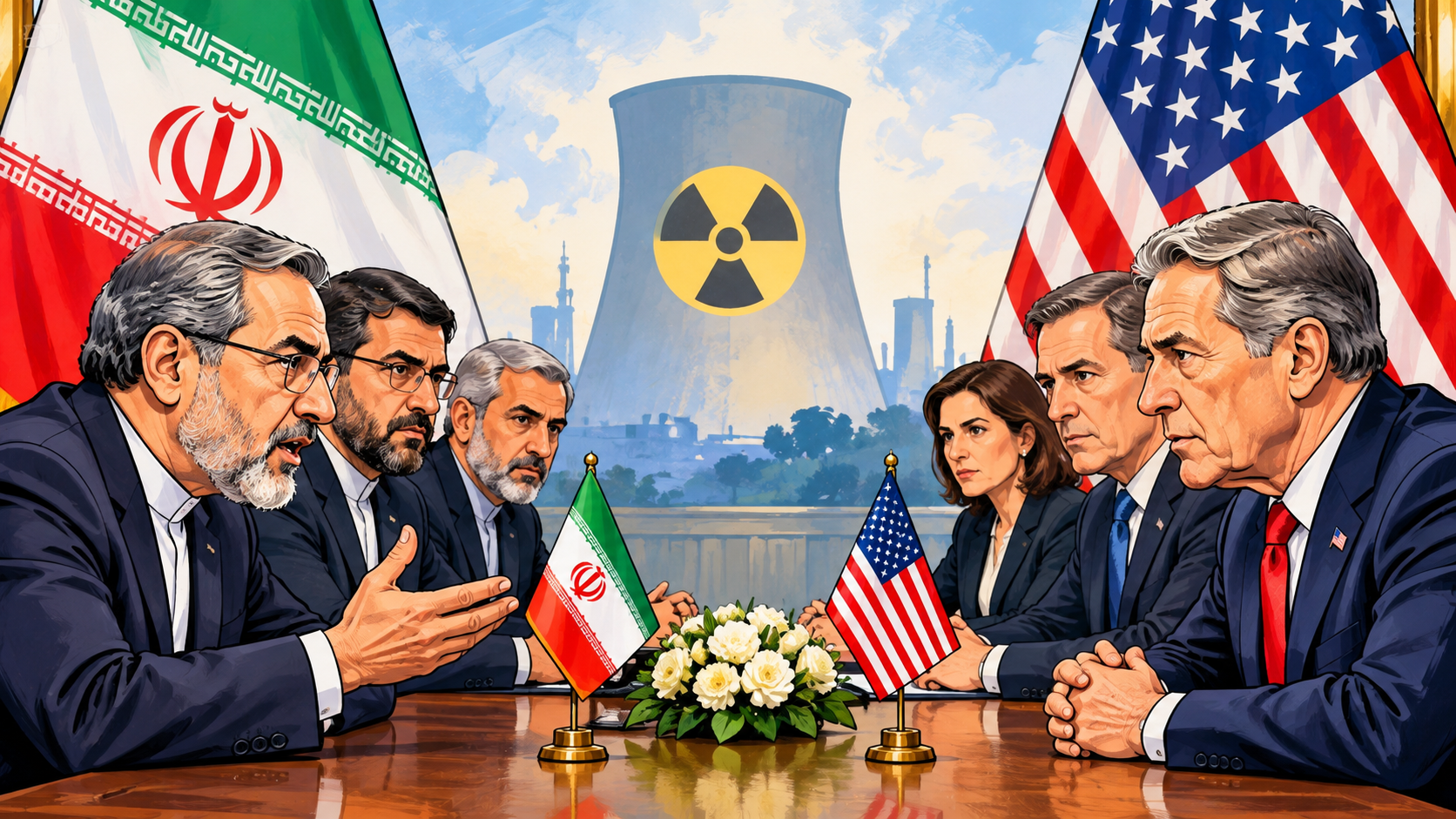
The United States and Iran have intensified diplomatic efforts to prevent another major military confrontation, with Qatar helping mediate negotiations between the two countries.
The discussions have gained momentum following the US midterm elections on 3 November 2026, which delivered significant losses for Donald Trump's Republican Party. The war with Iran and its impact on energy prices have become major political issues in the United States. Trump has acknowledged that voters were unhappy with the conflict, while Vice President JD Vance has also suggested that the war contributed to the Republican Party's disappointing electoral performance. These political developments have added pressure on Washington to explore a diplomatic resolution.
Trump has indicated that renewed American military attacks against Iran are highly unlikely if negotiations make progress towards an agreement covering Tehran's nuclear programme and the reopening of the Strait of Hormuz. During a recent interview, he said he preferred reaching an agreement rather than ordering another military operation. However, the US president has maintained that military action remains an option if diplomatic efforts fail. He has also warned that American forces remain prepared to strike additional targets inside Iran if necessary.
The negotiations are being facilitated by Qatar, which has been communicating proposals between Washington and Tehran. A framework document is reportedly being discussed and amended by both sides, with the aim of establishing measures that could restore confidence before broader negotiations begin. Qatar's Prime Minister, Sheikh Mohammed bin Abdulrahman Al Thani, is expected to meet Trump in Washington on Monday, 9 November, to discuss mediation efforts and the possibility of preventing further escalation.
One of the biggest disagreements concerns Iran's nuclear programme. Washington wants Tehran to eliminate its ability to develop nuclear weapons, including restrictions on enriched uranium and advanced nuclear technology. Iran, however, maintains that its nuclear programme is intended for peaceful purposes, including energy production, and considers its nuclear activities a matter of national sovereignty. The United States is particularly concerned about Iran's stockpile of highly enriched uranium, which remains a central issue in the negotiations.
International monitoring figures cited in recent reports indicate that Iran possesses approximately 440.9 kilograms of uranium enriched to 60 per cent purity. This is below the 90 per cent enrichment level generally associated with weapons-grade uranium, although further enrichment could bring the material closer to that threshold. Washington reportedly wants the stockpile diluted or transferred outside Iran under an arrangement that would prevent Tehran from using it to develop nuclear weapons. However, there is no confirmed agreement on how the issue will be resolved.
The Strait of Hormuz is another major obstacle. The strategically important waterway connects the Persian Gulf with the Gulf of Oman and is a critical route for international oil and gas shipments. Iran wants greater influence over how shipping operates through the strait, while Washington insists that international maritime traffic must remain open. Iranian attacks on vessels passing through the area have continued to create uncertainty for commercial shipping and international energy markets.
Tehran has also presented several conditions that it wants addressed before entering substantive nuclear negotiations. These reportedly include an end to hostilities across the region, the removal of US sanctions, the release of frozen Iranian financial assets and compensation for wartime damage. Iran is also seeking an end to the US maritime blockade. Washington has not accepted these demands, and senior American officials have described several of Tehran's conditions as unrealistic.
Economic pressure is another important factor shaping Iran's negotiating position. US sanctions have significantly restricted Tehran's ability to sell oil internationally, while billions of dollars in Iranian assets remain frozen in foreign financial institutions. The Iranian government wants restrictions eased to help its struggling economy and address the financial difficulties facing its population. Any agreement involving sanctions relief would therefore have considerable economic implications for Iran, although Washington is expected to seek substantial concessions in return.
Despite the increased diplomatic activity, Washington has warned that negotiations remain difficult. US Secretary of State Marco Rubio said the discussions had not produced sufficient progress and rejected suggestions that the countries were close to a breakthrough. His comments reflected continuing disagreements over Iran's demands and the conditions required for a settlement. The administration has maintained that preventing Iran from obtaining nuclear weapons remains a central objective of its policy towards Tehran.
Trust between the two governments also remains extremely limited. Tehran has expressed concern that agreeing to major concessions could leave the country vulnerable to further American or Israeli military action. Iranian officials have pointed to the fact that the conflict began while nuclear negotiations were taking place, reinforcing their doubts about Washington's willingness to maintain diplomatic commitments. Iran therefore wants security guarantees and meaningful concessions before surrendering important negotiating leverage.
The conflict also involves wider regional interests, including Israel, Lebanon, Iraq and Yemen. Iran maintains relationships with several armed groups across the Middle East, while the United States continues to coordinate closely with regional partners concerned about Tehran's influence. Any potential agreement would therefore have implications beyond the two countries themselves. The involvement of regional actors and the continuing security concerns of Gulf states make negotiations more complicated, particularly over maritime access and the future balance of power in the region.
Although both governments appear interested in avoiding an immediate return to full-scale fighting, the military situation remains uncertain. The United States continues to maintain substantial military forces in the Middle East, while Iranian officials have warned that their armed forces are prepared to respond to further attacks. Washington has also maintained pressure through sanctions enforcement and measures targeting Iran's military supply networks. These developments suggest that diplomatic engagement is taking place alongside continued military preparations rather than replacing them.
The coming days could prove important for determining whether the negotiations can produce a workable framework. Qatar's continued mediation and the expected meeting between Trump and the Qatari prime minister may provide an opportunity to narrow disagreements. However, neither side has confirmed a final agreement, and significant questions remain over nuclear restrictions, sanctions, maritime access and regional security. For now, the possibility of renewed conflict remains, even as diplomatic efforts offer a potential route towards de-escalation.
For further local news, community updates and story tips, contact news@lakelandpost.co.uk or 0333 090 2080.