
Gulf States Brace For Possible Iran Conflict Escalation After US Midterm Elections
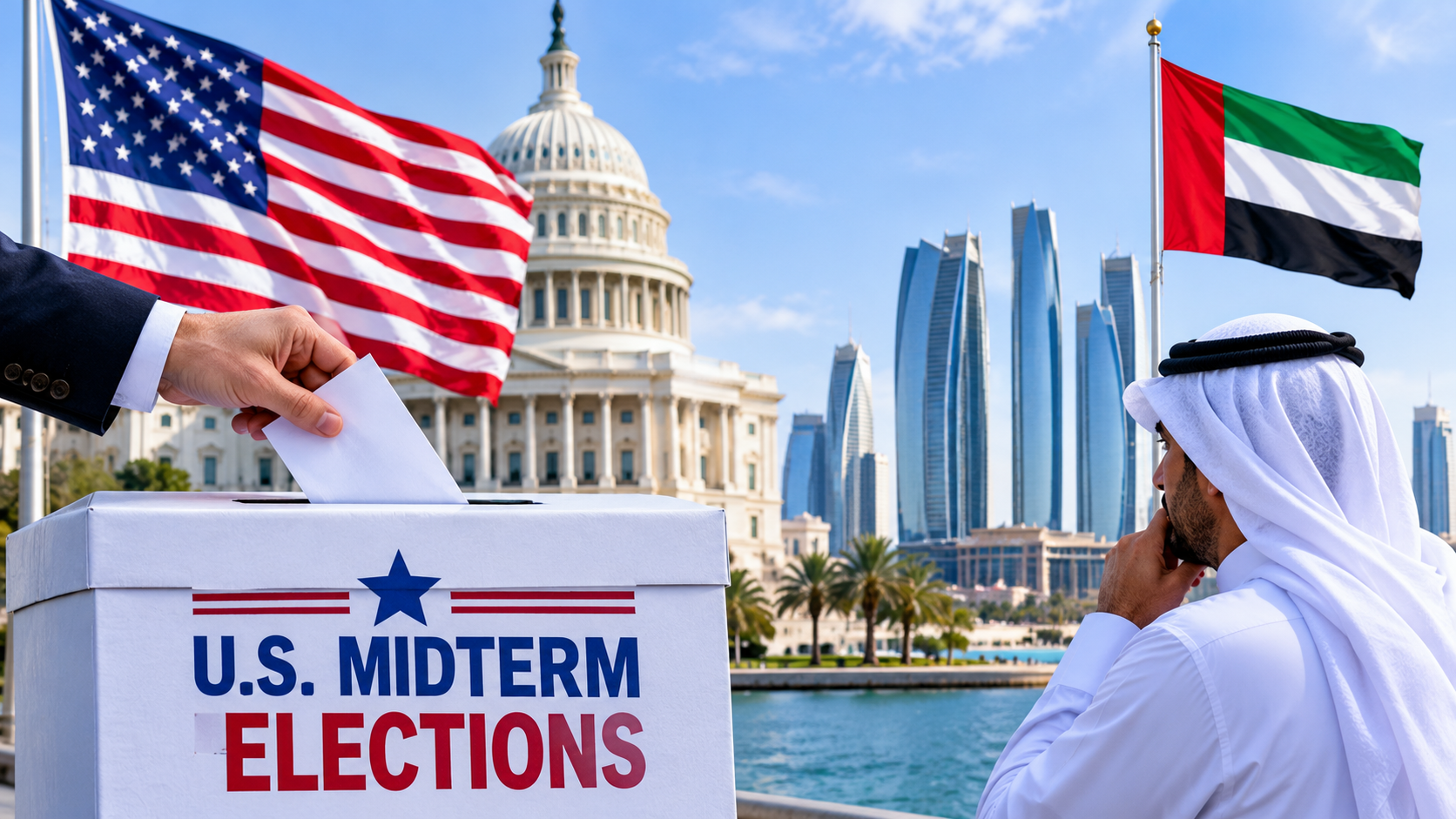
Residents across the Gulf are facing renewed uncertainty as fears grow that the United States could restart its conflict with Iran after the midterm elections.
The eight-month confrontation has left communities across the Middle East concerned about the possibility of another wave of military action. US President Donald Trump has indicated that strikes will not take place before the 3 November elections, but has not ruled out further action afterwards. His administration has provided limited clarity about its intentions, leaving residents, businesses and foreign workers watching developments closely and making contingency plans.
The uncertainty is particularly significant for Gulf Arab states that host American military facilities and were affected by Iranian retaliation during the earlier stages of the conflict. Missile and drone attacks disrupted travel, schools and businesses, while some infrastructure sustained damage. Residents in countries including Bahrain, Saudi Arabia and the United Arab Emirates have expressed concern about the prospect of further disruption, with some considering travel arrangements and changes to their working routines.
Diplomatic efforts are continuing to prevent another escalation. Qatar has been involved in mediation between Washington and Tehran, with regional representatives seeking an interim agreement. Saudi Arabia, Turkey and Pakistan have also been involved in discussions aimed at reducing tensions. Gulf governments are pressing for a diplomatic solution because renewed fighting could expose their territories and economies to further retaliation.
Military preparations and public warnings have added to concerns. US forces have reportedly been adjusting their regional deployments and strengthening military readiness, while American officials have been considering options for possible operations against Iranian targets. Tehran, meanwhile, has warned that any renewed attack could trigger retaliation against infrastructure and other targets across the region. These statements have increased uncertainty over the scale and potential consequences of another confrontation.
The possibility of renewed conflict is also creating practical concerns for international businesses and major events. In Abu Dhabi, two US oil companies reportedly cancelled plans for executives to attend a major industry conference because of security concerns, although organisers said the event would proceed as scheduled. In Saudi Arabia, some workplaces have shifted towards remote working and schools have introduced remote learning arrangements amid heightened caution.
For many people living in the Gulf, the prospect of another round of fighting brings back memories of earlier attacks and disruption. Foreign workers and families who had returned after previous evacuations are among those watching the situation closely. While diplomatic channels remain open, no agreement has yet removed the risk of renewed hostilities, leaving governments, businesses and residents preparing for several possible outcomes after the US elections.
For further local news, community updates and story tips, contact news@lakelandpost.co.uk or 0333 090 2080.