
Faith Leaders Challenge AI Weapons As Major Religious And Political Debates Gather Pace
Christian leaders are urging the UK Government to take action on artificial intelligence weapons, as religious organisations raise concerns over several major issues affecting faith and public life.
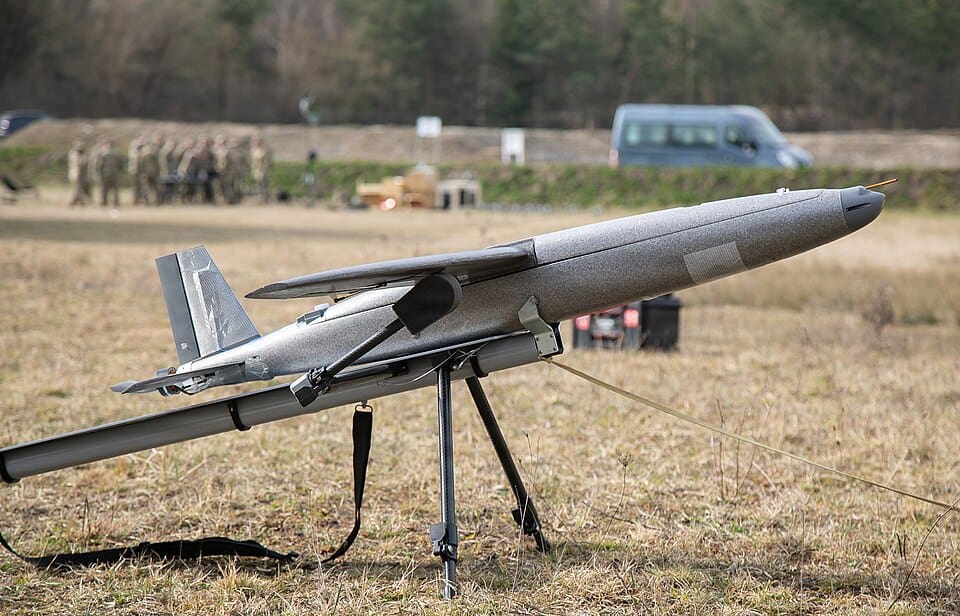
More than 30 church leaders and representatives of Christian organisations have signed an open letter to the Foreign Secretary calling for international rules on autonomous weapons, often described as “killer robots”. These systems use artificial intelligence to identify, target and attack people or objects. The signatories include senior representatives from the Church of England, Church of Scotland, Scottish Episcopal Church, Baptist Union, Methodist Church and United Reformed Church, alongside former Archbishop of Canterbury Rowan Williams.
The letter calls on the Government to support negotiations towards legally binding international regulations. The issue is expected to feature at a United Nations conference in Geneva from November 16 to 20, where countries will consider whether formal treaty negotiations should begin. The Christian leaders point to increasing military use of artificial intelligence in conflicts including Ukraine, Gaza and Iran, warning that the development of such technology raises serious humanitarian and ethical questions.
Meanwhile, Christian figures and organisations are responding to the conviction of Russell Brand, following scrutiny of people and institutions that previously gave him public platforms. The Archbishop of York, Stephen Cottrell, had appeared on Brand’s podcast in 2019, while Brand endorsed the Archbishop’s book, Dear England, in 2021. A spokesperson for the Archbishop said he was appalled to learn of the abuse and praised the courage of women who had come forward.
The Greenbelt festival has also expressed regret over giving Brand a platform at its 2019 event. Organisers said their thoughts were with the women he harmed. The responses have prompted wider reflection within Christian communities about public associations, accountability and the responsibilities of organisations when inviting prominent figures to speak at religious events. The discussion also highlights how faith institutions address allegations of abuse and respond when individuals previously associated with them are convicted.
Pope Leo XIV has attracted large crowds during his ongoing visit to South America, with an estimated 650,000 people attending a Mass in Córdoba, Argentina. The Pope celebrated the service at the Military Aviation School before meeting clergy and members of religious communities. The gathering formed part of the fifth day of his 12-day journey, which includes visits to Argentina, Uruguay and Peru.
The Pope also led a youth vigil in Buenos Aires, attended by hundreds of thousands of young people. His programme includes a visit to a prison before travelling to Peru, where he previously spent around 20 years serving as a missionary and bishop in Chiclayo. His arrival is scheduled at Callao Air Base, near the port city of Callao, where a 14-metre statue of the Pope has recently been unveiled. The monument, made from white steel and fibreglass, is described as the tallest statue of a pope in the world.
In the UK, a proposed Islamic student finance scheme has become the subject of political debate. The Alternative Student Finance scheme is being developed to help students who cannot use conventional interest-bearing loans for religious reasons. Based on Islamic finance principles, it would replace interest payments with income-based contributions made by graduates into a shared fund intended to support future students.
Reform UK education spokesperson Suella Braverman has criticised the proposal, describing it as a “two-tier system”. However, the Centre for Media Monitoring has challenged the presentation of the scheme, arguing that repayments would support all students enrolled in it, regardless of their religious background. The debate has brought attention to how higher education funding can accommodate people whose religious beliefs prevent them from taking conventional interest-based loans.
The Catholic Archbishop of Liverpool, John Sherrington, has also raised concerns about the Government’s draft Conversion Practices Bill. In a statement submitted to Parliament during the legislation’s pre-legislative scrutiny, he urged politicians to abandon the proposal, arguing that its broad wording could create uncertainty around religious freedom and freedom of expression.
The Archbishop expressed opposition to all forms of abuse but questioned whether the proposed provisions could affect lawful pastoral care, family relationships and conversations about sexuality and gender identity. He argued that existing laws already provide protections against abuse and coercion, and called instead for stronger enforcement of current safeguards and accessible support for people experiencing harmful or controlling behaviour.
In France, Catholic bishops have called on Catholic healthcare institutions to prepare for the possibility of refusing to provide assisted dying under a new law expected to take effect in January 2027. The bishops say religious healthcare providers should consider their legal rights where assisted suicide or euthanasia conflicts with the principles and mission on which their institutions were founded.
The position follows a decision by France’s Constitutional Council in August confirming that institutions could refuse to provide assisted dying on grounds connected with their founding principles. The bishops have urged Catholic providers to review their internal rules and regulations ahead of the law’s introduction. Further guidance for Catholic healthcare organisations is expected to be developed during 2027.
The House of Lords has given a second reading to legislation seeking to remove religious restrictions affecting certain Church of England appointments. The Bill would end the restriction preventing Catholic and Jewish prime ministers from advising the Crown on appointments of Church of England bishops and archbishops. The current constitutional arrangement allows people of other faiths to perform the relevant functions, creating an exception for Catholics and Jews.
The Bishop of Manchester, David Walker, supported the proposed reform, describing it as a modest but important step towards bringing the constitution into line with modern values of religious freedom and equal citizenship. Former BBC director-general Lord Birt also backed wider reform, questioning why the proposed changes should not extend to other forms of religious discrimination within the constitution.
The Church of England has announced £13.4 million in funding for mission and community work across three dioceses. The investment is intended to support churches in rural villages, market towns and urban communities, with projects designed to strengthen congregations, develop local outreach and maintain Christian presence in areas facing social and economic challenges.
The Diocese of Winchester will receive £7 million, including support for churches in deprived communities in Bournemouth and Southampton, as well as resources for growth in surrounding towns and 12 additional rural church groups. The Colchester area is set to receive £2.8 million for initiatives including Choir Church and iSingPOP, alongside projects aimed at supporting young people around Harlow, Braintree and Colchester.
A further £3.6 million will go to the Diocese of Worcester. Its plans include developing at least one thriving larger church in each of its population centres by 2030, alongside support for congregations in Droitwich, Pensnett, Evesham, Kidderminster and Worcester. Funding will also help cover staffing and other costs in communities where church ministry has become limited or is currently unavailable.
Taken together, the developments demonstrate the wide range of issues currently involving religious organisations, from emerging military technology and political legislation to healthcare, safeguarding and community investment. Church leaders are increasingly engaging with public policy debates while also seeking to maintain their role in local communities and international humanitarian discussions.
For further local news, community updates and story tips, contact news@lakelandpost.co.uk or 0333 090 2080.