
Young Barrow Woman Loses Ability To Walk Following FND Diagnosis
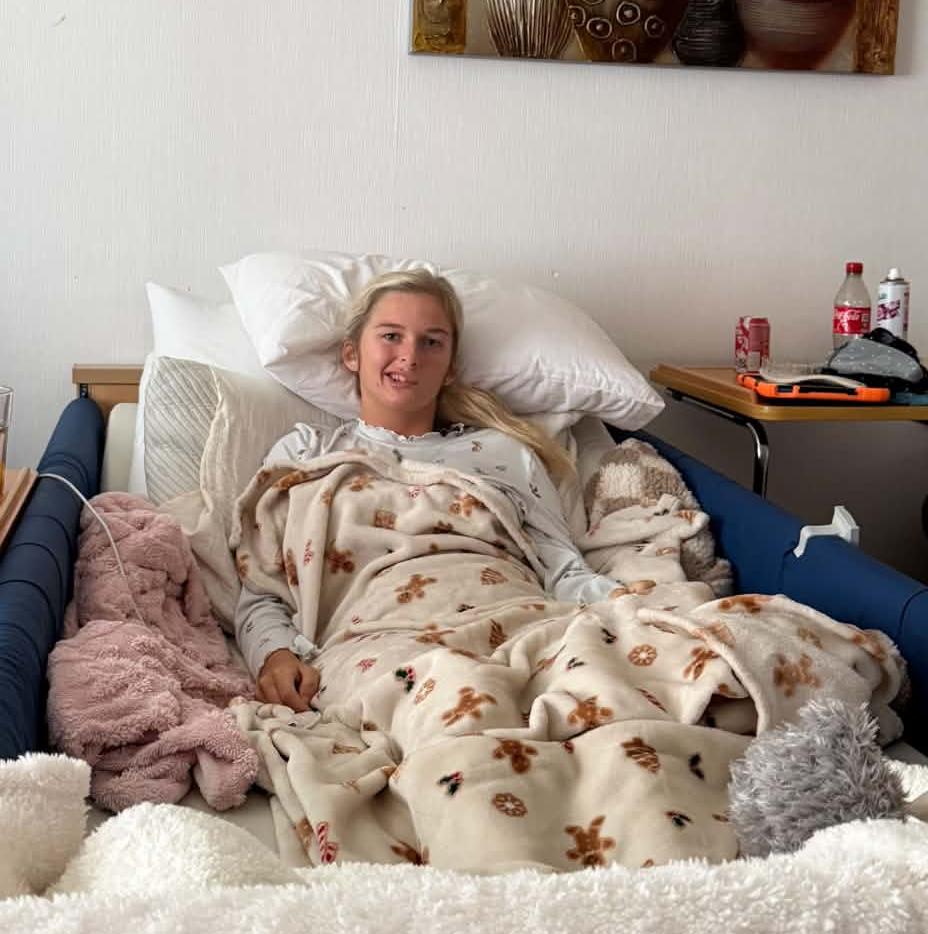
A young woman from Barrow-in-Furness has been left unable to walk following a diagnosis of Functional Neurological Disorder, a condition that can significantly affect movement and everyday activities.
Functional Neurological Disorder (FND) affects the way the brain sends and receives signals to the body, potentially causing problems with movement, sensation and other neurological functions. Symptoms can vary considerably between individuals and may include limb weakness, difficulty walking, tremors, seizures and problems with balance. The condition is recognised as a genuine neurological disorder, rather than symptoms being imagined or deliberately produced.
For people affected by FND, changes in movement can have a substantial impact on independence. Some individuals experience difficulties standing, walking or coordinating their movements, while others may have periods when their symptoms become more severe. Walking difficulties can include unsteadiness, weakness, freezing movements and an increased risk of falling, making ordinary activities more challenging.
Diagnosis is generally made by a neurologist through an assessment of specific clinical signs and symptoms. FND can sometimes resemble other neurological conditions, which makes specialist assessment important. Healthcare professionals consider how symptoms present and change during different movements and activities before determining an appropriate diagnosis and management plan.
Although FND can be disabling, treatment and rehabilitation may help people manage their symptoms and improve their ability to carry out everyday activities. Physiotherapy is often an important part of treatment, with specialist rehabilitation focusing on retraining movement and improving coordination. Depending on an individual's symptoms, psychological therapies and other forms of support may also form part of a wider treatment programme.
The condition can also affect emotional wellbeing, employment, social activities and family life. People experiencing significant mobility difficulties may require additional assistance with transport, personal care and access to everyday facilities. Support from healthcare professionals, family members and specialist organisations can play an important role in helping individuals manage the practical challenges associated with FND.
The experience of the young Barrow woman highlights the serious impact that neurological conditions can have on individuals and their families. Further details about her personal circumstances, treatment and recovery prospects could not be independently verified from the accessible information, so no additional claims have been included.
For further local news, community updates and story tips, contact news@lakelandpost.co.uk or 0333 090 2080.