
Workington Construction Firm Stobbarts Reaches £12m Turnover After Remarkable Comeback
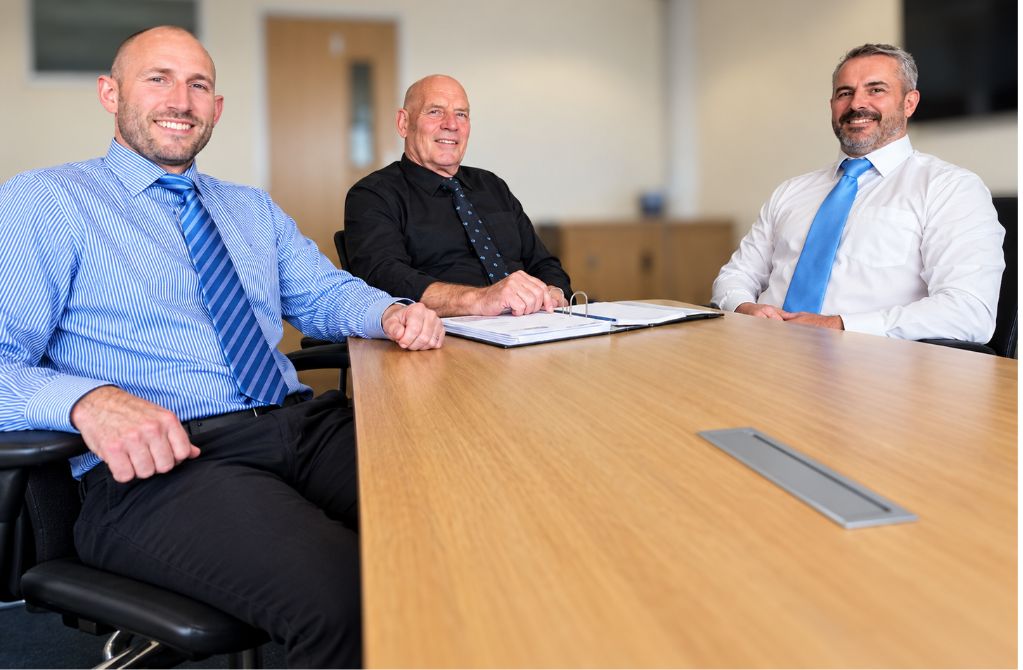
A chance meeting at a Workington DIY store helped John Stobbart rebuild his construction business into a £12 million company employing 105 people.
John relaunched Stobbarts in November 2016, two years after stepping away from the original company he had established in 1998. The business began again from a single room at Moss Bay House, with one vehicle, a small team and no confirmed orders. Nearly a decade later, it has developed into a significant West Cumbrian construction contractor, supported by several related businesses and a growing workforce.
The revival started when a former client approached John about a proposed £500,000 office refurbishment in Cleator Moor. While assessing the plans and preparing a price for the work, he unexpectedly met former colleague Ricky Fee at B&Q in Workington. John invited Ricky to look at the project and persuaded him to join the new venture, helping provide the experience and workforce needed to get the company moving again.
Former employees gradually returned as the business began securing contracts, while John's son Adam also joined the operation. Adam's role focused on developing the company's work at nuclear sites, an area that would become increasingly important to its future. The combination of experienced staff, established relationships and a willingness to take on new projects helped the business rebuild its reputation.
Some of the early projects included restoration work at the Derwentwater boathouses and repairs to a flood-damaged bridge at High Nook Farm in 2017. These contracts helped establish the restarted company's presence in the local construction market. Further work followed at Whitehaven Harbour, St Bees School and the Calvert Trust's Old Windebrowe property in Keswick, where the company undertook a £2 million conversion.
By January 2019, the company had outgrown its original working arrangements and moved into larger premises at Tarn Howe on Lakes Road, Workington. Turnover had reached approximately £3.5 million, marking a significant milestone in the recovery. The move provided additional space as the workforce and scale of projects increased, allowing the business to take on more substantial contracts.
A major step forward came in 2020 when Stobbarts secured a £3 million welfare facilities project at Sellafield. It was the company's first major nuclear contract since its relaunch and opened the door to further opportunities in the sector. Subsequent work included projects at the Low Level Waste Repository near Drigg, strengthening the firm's experience in specialist construction and infrastructure work.
The company's position in the nuclear supply chain developed further in April 2024, when it secured a place on Sellafield's Programme and Project Partners framework. The agreement has the potential to generate up to £40 million in work over 15 years. Stobbarts supports major infrastructure delivery through groundworks and concrete construction, working alongside delivery partner Sir Robert McAlpine.
Since restarting in 2016, the business group has delivered more than £66 million worth of projects across West Cumbria. Approximately £40 million of this work has been carried out on nuclear sites, while a further £26 million has involved community facilities, heritage buildings, schools and healthcare projects. The figures highlight the company's contribution to a wide range of construction activity across the region.
Recent projects have included removing a 124-foot chimney and carrying out refurbishment work at West Cumberland Hospital in Whitehaven. The company has also installed three footbridges along the Flimby coastal path and worked on the Maryport Promenade Café. In Workington, it converted the former Chambers Buildings on James Street for Cumbria Youth Alliance, adding another community-focused project to its portfolio.
The group has expanded beyond its main construction operation through several associated businesses. These include Stobbarts Electrical, Energy Efficient Window Systems and a recently established tool and plant hire division. Together, the companies allow the group to offer a broader range of services and support projects requiring different specialist skills, equipment and resources.
Its current operation includes a fleet of around 60 vans and three heavy goods vehicles, reflecting the scale of its work across the region. The company now employs 105 people and has set an ambition to increase turnover to £20 million and its workforce to 150 by 2030. Achieving those targets will depend on continued contract opportunities, investment and the availability of skilled workers.
Apprenticeships and staff development are also part of the company's longer-term plans. Stobbarts has trained 11 apprentices since its relaunch and intends to double that number by 2030. The business is also supporting career progression among younger employees, including 19-year-old quality engineer Harvey Shimmings and trainee quantity surveyor Jayden Fee, who are developing professional skills within the organisation.
John's contribution to the local community extends beyond his construction work. He has volunteered with Workington RNLI for 37 years and served as a lifeboat coxswain for 30 years before stepping down from the role in January 2024. His service was recognised with the British Empire Medal in 2021, reflecting decades of commitment to maritime safety and voluntary service.
Reflecting on his return to business, John said retirement had left him missing the social interaction and activity of working life. He described the rebuilding process as difficult, particularly because the company had to start again without an established order book. However, he said the progress achieved through hard work and the development of the sister companies had made the effort worthwhile.
Adam said the business had started from a very different position in 2016 but benefited from an established reputation, experienced people and a determination to succeed. Ricky also recalled the challenges of rebuilding from the beginning, particularly the difficulty of finding enough skilled tradespeople and operatives to deliver the work. Their comments underline the importance of the people involved in the company's recovery.
John also paid tribute to employees who had supported the business through both its original and renewed phases. He said the company's ability to deliver projects safely and efficiently depended on the workforce and the contribution of people across the organisation. As the group prepares for further growth, retaining experienced staff and developing new talent are likely to remain important priorities.
From a single room and one vehicle to a workforce of 105 and a business targeting £20 million in turnover, Stobbarts has undergone a substantial transformation. Its growth has been supported by local contracts, major nuclear-sector opportunities and investment in related services. With further expansion planned by 2030, the Workington-based company is continuing to build on the comeback that began with an unexpected conversation in a local DIY store.
For further local news, community updates and story tips, contact news@lakelandpost.co.uk or 0333 090 2080.