
Woman Given Lifetime Animal Ban After 21 Dogs Found In Filthy Conditions
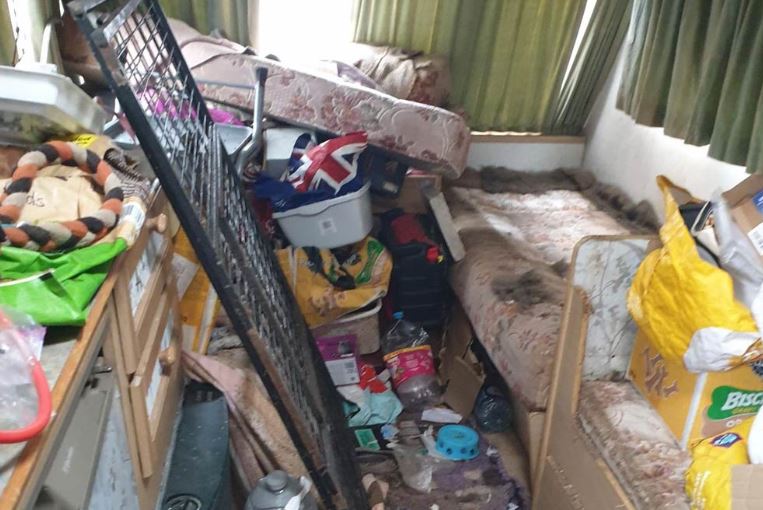
A woman has been banned from keeping animals for life after 21 dogs and a cat were discovered in severely neglected conditions in Barrow.
Penelope Garner-Carpenter, 67, was handed a 22-week suspended prison sentence at Barrow Magistrates’ Court on 25 September after being convicted of three animal welfare offences. The case followed an investigation by the RSPCA into the conditions in which the animals were being kept. The court also imposed a lifetime ban on keeping animals, reflecting the seriousness of the welfare concerns identified during the investigation.
The animals were seized by Cumbria Police on 14 July last year from a van and caravan parked in a car park on Walney Road. Officers removed 21 collies and a black-and-white cat after concerns were raised about their welfare. The vehicles were being used to accommodate the animals, with the dogs kept in crates inside the van. Investigators subsequently examined the conditions and the animals’ physical state as part of the case.
Ten of the dogs were found to be emaciated and anaemic, with their coats stained by faeces and urine. Some were also suffering from pressure sores, adding to concerns about the conditions in which they had been kept. Veterinary evidence indicated that the group had experienced insufficient food over a prolonged period. The findings formed a central part of the evidence considered during the animal welfare investigation.
RSPCA inspector Carl Larsson described the conditions inside the van after the dogs had been removed. He said the cargo area still had a strong smell of urine and faeces, highlighting the extent of the contamination. The van had no rear windows, meaning natural light would have been extremely limited when its doors were shut. The arrangement raised further concerns about the suitability of the vehicle as a place to keep so many animals.
Ventilation was another significant issue identified during the inspection. The dogs had been kept in crates stacked three high inside the van, restricting their ability to move freely and potentially limiting the circulation of fresh air. Larsson also reported that the caravan was in a similar condition to the vehicle. The findings raised serious questions about the environment in which both the animals and Garner-Carpenter had been living.
A veterinarian who examined the dogs found evidence that they had been suffering from hunger for months and were severely anaemic. The assessment indicated that the animals had not received sufficient food to maintain an appropriate body condition. The vet also highlighted the restrictions imposed by the crates, explaining that the dogs could not move around freely. With the doors closed, the interior would have been almost completely dark, adding to the concerns about their living environment.
Garner-Carpenter claimed she had been treating the dogs for fleas and feeding them raw chicken every day. However, she admitted that the animals had spent too long in the crates. The veterinary findings and observations made during the investigation provided evidence of the wider welfare problems affecting the group. The case ultimately resulted in convictions for three animal welfare offences and the lifetime prohibition on keeping animals.
Following the seizure, the RSPCA worked alongside Animal Rescue Cumbria to find new homes for the animals that could be rehomed. Twenty of the dogs and the cat were successfully placed in new homes, giving them the opportunity to recover in more suitable surroundings. One collie, however, had to be put to sleep because of its ill health. The outcome highlighted the differing needs of the animals after they were removed from the conditions in which they had been living.
RSPCA inspector Will Lamping said keeping so many dogs in crates under those circumstances was unacceptable. He stressed that crates should only be used for short periods and with suitable training, rather than as a permanent living environment. His comments reinforced the importance of providing dogs with adequate space, appropriate care and opportunities to move around. The organisation said the conditions uncovered in the case were inconsistent with acceptable standards of animal welfare.
The lifetime ban means Garner-Carpenter is prohibited from keeping animals in future. The suspended prison sentence was imposed alongside the court’s decision following her conviction for the three offences. The case demonstrates how animal welfare investigations can involve evidence from police, veterinary professionals and specialist inspectors before proceedings reach court. The findings about the dogs’ physical condition and the environment in which they were kept were central to the outcome.
The successful rehoming of most of the animals was a significant part of the case’s aftermath. The RSPCA and Animal Rescue Cumbria worked together to provide care and find suitable homes for the surviving dogs and the cat. While one collie could not be saved because of its health, the other animals were given a chance to recover away from the conditions in the van and caravan. Their rescue also underlined the importance of reporting concerns when animals may be at risk.
The case serves as a reminder that animal welfare concerns extend beyond access to food and water. Suitable housing, ventilation, hygiene, space and the ability to move freely are also essential considerations when animals are being cared for. Crates can be useful for specific, limited purposes, but they are not intended to replace a proper living environment. The lifetime ban and suspended sentence followed evidence of multiple welfare failures affecting the animals found in Barrow.
Got a news story or tip to share? Contact our editorial team by emailing news@lakelandpost.co.uk or call us directly on 0333 090 2080.