
VAT Barrier To Cancer Drug Removed Following Barrow Couple’s Campaign
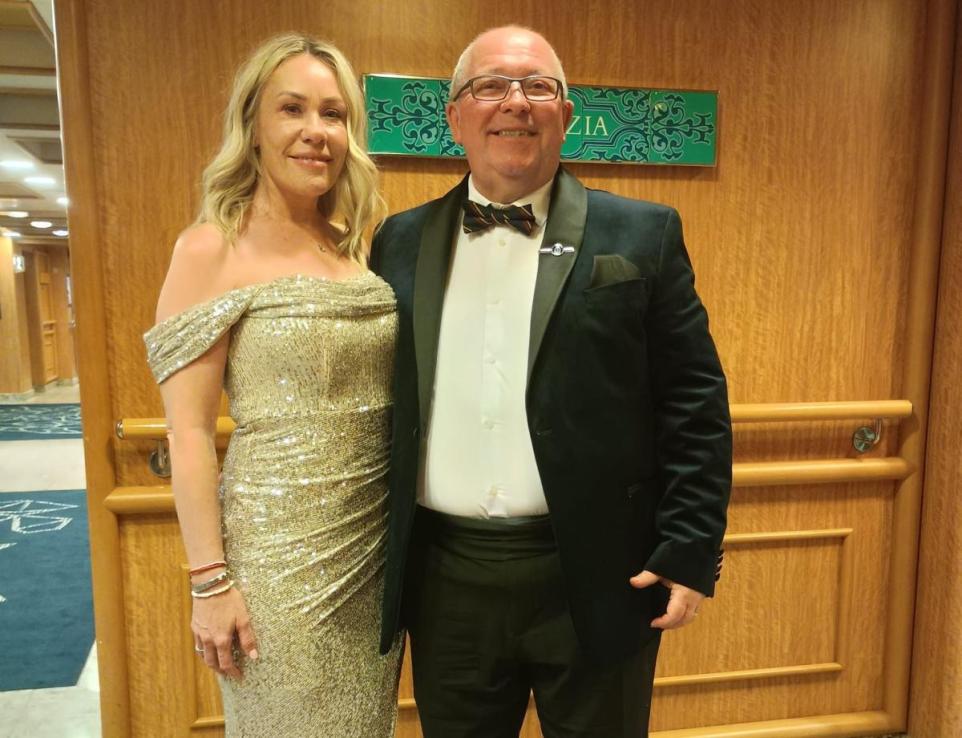
A VAT barrier affecting access to donated cancer medicines is being removed following a campaign by a Barrow couple whose experience highlighted the impact on seriously ill patients.
Ian Worrall, from Cumbria, has a rare and aggressive form of cancer known as cholangiocarcinoma, which affects the bile ducts. His medical team identified regorafenib as a potential treatment option after his cancer progressed during chemotherapy. The medicine had previously been provided free through a pharmaceutical company's compassionate-use scheme.
However, the drug manufacturer, Bayer, withdrew from the scheme after VAT became payable on certain medicines supplied without charge. This left Ian facing the prospect of paying for treatment himself, despite the medicine being recommended by an NHS specialist. His private health insurance would not cover the treatment because it was prescribed outside its licensed indication.
Ian's wife, Emma, began raising concerns about the effect of the VAT rules on patients who depend on donated medicines. Their campaign highlighted how tax arrangements could unintentionally make it harder for pharmaceutical companies to provide potentially life-extending treatments to people with limited options.
The issue was raised in Parliament by Michelle Scrogham, MP for Barrow and Furness, during Prime Minister's Questions on 21 October 2026. She explained that Ian had no further treatment options available to him and asked the Prime Minister to ensure a solution was found so Bayer could reconsider its decision.
The Prime Minister confirmed that the Government was developing a new approach to remove VAT as a barrier to free-of-charge donations of innovative medicines. He said the change would be permanent and backdated to 23 June 2026, with further details to follow.
HM Revenue and Customs subsequently published guidance confirming that a zero VAT rate applies to qualifying medicines supplied free of charge from 23 June 2026. The arrangements cover medicines donated to the NHS for patient treatment, medicines supplied through the Early Access to Medicines Scheme and qualifying clinical trial treatments.
The change is intended to support pharmaceutical companies providing medicines without charge and reduce the risk that VAT costs will discourage participation in patient access programmes. However, the rules apply only where the medicines and donations meet the specified conditions, and suppliers must retain the necessary evidence and certification.
For further local news, community updates and story tips, contact news@lakelandpost.co.uk or 0333 090 2080.