
Trump Seeks Permanent Iran Deal As Tehran Rejects Weapons Allegations And Regional Tensions Escalate
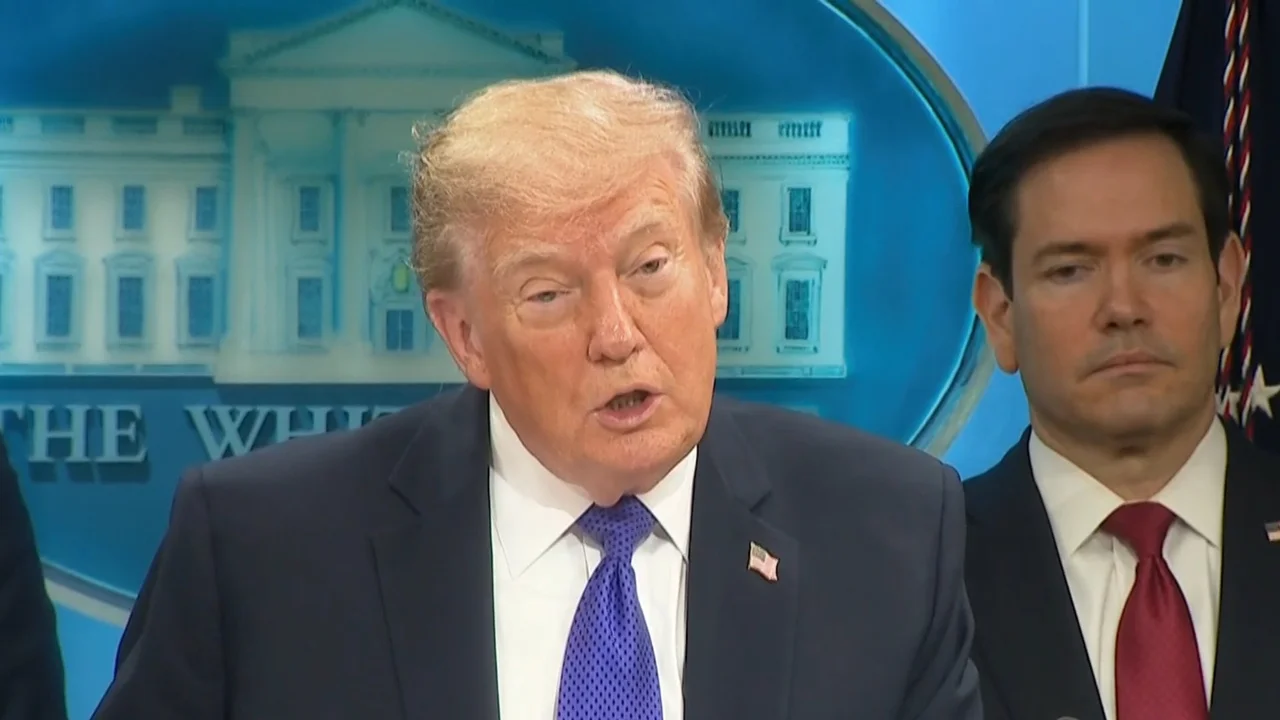
Tensions between the United States and Iran remain high as diplomatic discussions continue alongside fresh attacks and growing fears of renewed military action.
Iran's Foreign Ministry has rejected allegations from President Donald Trump that Tehran may be developing chemical or biological weapons. Spokesperson Esmaeil Baqaei criticised the claims, comparing them with accusations made against Iraq before the US-led invasion in 2003. He argued that Washington was repeating a familiar pattern of presenting intelligence claims about prohibited weapons without providing convincing evidence. Tehran described the allegations as politically motivated and questioned whether the international community was expected to accept them without proper scrutiny.
The dispute intensified after Trump said there were indications that Iran was seeking to develop chemical or biological weapons because the United States had prevented it from obtaining nuclear weapons. The president did not publicly provide evidence to support the allegation. Baqaei referred to former US Secretary of State Colin Powell's presentation to the United Nations Security Council in February 2003, when Powell outlined claims about Iraq's alleged weapons of mass destruction. Those claims later became a major source of international controversy.
Despite the increasingly hostile rhetoric, Trump has said he wants to secure a permanent agreement with Iran. In a telephone interview with Fox News on Saturday, November 21, he said any deal should prevent Tehran from acquiring nuclear weapons under future US administrations. He argued that an agreement needed to remain effective beyond his presidency and criticised Iranian officials, claiming previous understandings had not been maintained.
Trump has also suggested that he is not rushing to make his next decision on the conflict. Speaking to an Israeli television network earlier in the week, he indicated that he could wait until 2027 before deciding on further action. However, reports citing people familiar with the discussions said the United States and Israel were considering another military operation against Iran in the shorter term.
Israeli concerns reportedly centre on Iran's efforts to rebuild ballistic missile manufacturing capabilities and strengthen military and nuclear infrastructure. Sources said Tehran was working to protect some facilities by moving infrastructure underground, making them more difficult to target. Israel is understood to be prepared for another round of fighting, although it remains unclear whether Trump would approve a joint operation or what form any military action might take.
Diplomatic efforts have continued through regional intermediaries. Iran's deputy foreign minister Kazem Gharibabadi said a Qatari delegation visited Tehran on Friday evening and held approximately two hours of discussions. He did not disclose the details of the meeting, but the visit demonstrated that communication channels remain active despite the lack of a breakthrough in negotiations between Washington and Tehran.
Iranian Foreign Minister Abbas Araghchi said regional diplomatic efforts should be given an opportunity to progress. However, he maintained that the US blockade involving Iranian ports and the Strait of Hormuz needed to be addressed. Tehran has linked progress towards reopening the strategic waterway to several demands, including an end to the conflict across the region, the release of frozen Iranian assets and the lifting of oil sanctions.
The security situation in Bahrain also deteriorated after the country's interior ministry reported an Iranian attack on a civilian industrial facility on Saturday. The incident caused a fire and material damage, although authorities said there were no reported injuries. Civil Defence personnel were working to bring the blaze under control. Bahrain did not immediately disclose the precise location of the facility.
A US official also told reporters that Iran had made further attempts to launch attacks in the region, but there were no reported impacts on American forces or military assets. The latest incident was described as the fourth attempted Iranian attack in Bahrain in approximately a week. The country is strategically important to Washington because it hosts the US Navy's Fifth Fleet.
Maritime security remained another major concern after the United Kingdom Maritime Trade Operations agency reported that two tankers had been attacked in the Strait of Hormuz on Saturday. One vessel was struck on its stern by an unidentified projectile, while another sustained damage to its engine room. No casualties were reported in the initial information released about the incidents. The attacks added to concerns about the safety of commercial shipping through the vital waterway.
The Strait of Hormuz is a critical international route for oil and natural gas shipments. Before the conflict, approximately one-fifth of the world's oil and natural gas supplies passed through the waterway. Restrictions on shipping, attacks on vessels and the US blockade of Iranian ports have disrupted normal maritime activity. Continued instability could have wider consequences for energy markets, transportation costs and international trade.
Iranian state television also broadcast footage from an underground missile facility, where the Islamic Revolutionary Guard Corps presented a new launcher reportedly capable of firing two liquid-fuelled missiles. The location of the facility was not disclosed. The broadcast appeared intended to demonstrate that Iran retained significant missile capabilities despite months of military operations. A senior Revolutionary Guard commander also claimed that the country's military capabilities had expanded.
The conflict has raised questions about the protection of American military personnel and the accountability of military operations. Families of six US Army Reserve soldiers killed in a drone strike on their command post in Kuwait on March 1 have expressed dissatisfaction with briefings about the Pentagon's investigation. The families said the information provided so far had not adequately addressed their concerns about military preparations and the response to the attack. The official investigation report had not yet been publicly released.
Elsewhere, British endurance swimmer Lewis Pugh undertook a three-day swimming challenge in parts of the Strait of Hormuz to draw attention to the environmental consequences of the conflict. Pugh, a United Nations Patron of the Oceans, completed approximately 9.3 miles after starting near the Musandam Peninsula and swimming towards the Cape of Hormuz. He said he heard two loud explosions shortly after entering the water on Monday. His challenge highlighted concerns about the impact of attacks on shipping and military activity on marine habitats and wildlife.
The latest developments illustrate how the conflict is affecting diplomacy, military security, commercial shipping and the wider regional economy. Although Trump continues to speak about a lasting agreement, Iran maintains that its conditions must be addressed before negotiations can move forward. With Israel reportedly considering further military action and attacks continuing around the Gulf, the prospects for a stable settlement remain uncertain.
For further local news, community updates and story tips, contact news@lakelandpost.co.uk or 0333 090 2080.