
Rare and Endangered Fungi Discovered on Cumbrian Village Green
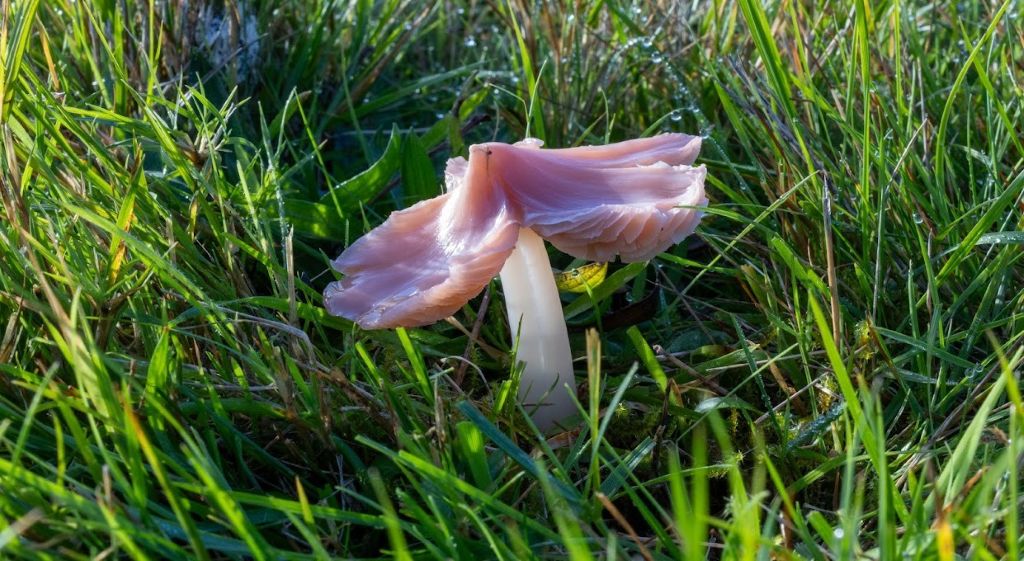
Rare and endangered fungi have been discovered at Melmerby Village Green in Cumbria, with conservationists saying the findings highlight the site’s importance for biodiversity.
A survey involving volunteers from Melmerby Conservation Group and researchers from Aberystwyth University identified eight species of grassland fungi classified as vulnerable on the International Union for Conservation of Nature’s Red List of Threatened Species. The survey also detected the endangered Mealy Meadowcap. The discoveries suggest the village green could be nationally significant for its fungal diversity, strengthening efforts to secure greater recognition and protection for the site’s wildlife-rich grassland.
Among the vulnerable species recorded were the Ballerina Waxcap, Yellow Foot Waxcap, Papillate Waxcap, Matt Fanvault, two species of Violet Coral, Short-Spored Earthtongue and a fungus known as Black Magic. The presence of both Violet Coral species is particularly notable, according to conservationists, while the Mealy Meadowcap adds to the importance of the findings. The international Red List assesses the extinction risk facing species, with vulnerable and endangered classifications indicating different levels of threat to their long-term survival.
The village green already supports a range of valuable wildlife habitats and rare plants, including Bird’s Eye Primrose, Field Gentian and specialised hawkweeds. Melmerby Beck runs alongside the green, which also provides habitat for protected water voles and white-clawed crayfish. Conservationists believe the combination of species and habitats makes the site particularly valuable. Grassland fungi are recognised as indicators of undisturbed, wildlife-rich land, often associated with meadows that have avoided intensive agricultural management and retain conditions suitable for diverse plant and animal communities.
Ben Challis, a member of the Melmerby Conservation Group steering committee, said the results had revealed a greater range of significant fungi than the group had initially expected. Although the waxcap findings from the survey itself did not reach the relevant threshold, additional records helped establish a broader picture of the site’s importance. The survey identified three groups of grassland fungi meeting the relevant criteria for potential Site of Special Scientific Interest status, providing the group with further evidence to discuss with conservation authorities.
The fungi belong to groups collectively known as CHEGD, which are used to assess the diversity and ecological quality of grasslands. These include coral and club fungi, waxcaps, pinkgills, earthtongues and crazed caps. Such species can be sensitive to changes in land management, making their presence useful when assessing the condition of natural habitats. Undisturbed grasslands also support wildflowers, insects and other wildlife, while helping store carbon. However, these habitats have declined in extent, increasing the importance of identifying and protecting remaining sites.
Melmerby Conservation Group hopes the findings will support further discussions with Natural England and Cumbria Wildlife Trust about whether the village green could be designated a Site of Special Scientific Interest. Such a designation would recognise the site’s scientific importance and provide a framework for protecting its special features. The group also hopes the survey will help volunteers monitor the fungi more effectively in future. People interested in contributing to grassland fungi monitoring can participate in Plantlife’s Waxcap Watch citizen science project.
For further local news, community updates and story tips, contact news@lakelandpost.co.uk or 0333 090 2080.