
Lake District Mountain Rescue Call-Outs Rise As Teams Face Growing Pressure
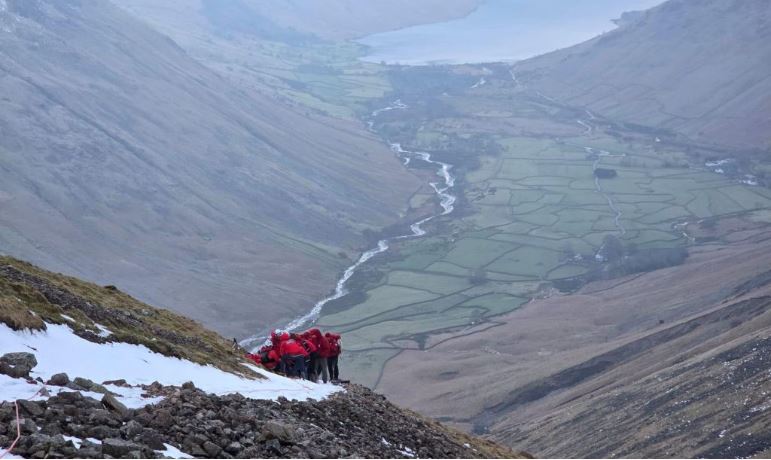
Lake District mountain rescue teams are facing increasing pressure as call-outs rise, prompting renewed appeals for better preparation and personal responsibility.
A total of 737 call-outs had been recorded across the Lake District by the end of September 2026, compared with 838 throughout the whole of 2025. The figures represent a nine per cent cumulative increase in incidents so far this year, highlighting the growing demands placed on the volunteers who respond to emergencies across the national park. With several months of the year still remaining when the figures were reported, rescue leaders are considering how teams can continue responding effectively as demand increases.
Around half of the incidents recorded this year were classified as avoidable, according to Lake District Search and Mountain Rescue. These included situations where walkers became lost, could not safely descend a fell or mountain, became trapped on steep ground or needed assistance despite not having suffered an injury. The remaining half involved injuries, illnesses or other genuine medical emergencies requiring rescue teams to provide assistance. Leaders believe improving preparation before people head outdoors could reduce preventable incidents and allow volunteers to concentrate resources where they are most urgently needed.
The age profile of people requiring rescue was also evenly divided, with half of those involved aged under 40 and the other half aged 40 or older. The figures indicate that outdoor safety is an issue affecting people across different age groups rather than one particular generation of walkers. Rescue teams must therefore communicate practical safety advice to a broad audience, including experienced hillwalkers and people who may be relatively unfamiliar with the conditions encountered in the Lake District. Better preparation remains important regardless of age or previous experience.
Nick Owen, joint operations lead for Lake District Search and Mountain Rescue, said preventing avoidable call-outs remained an ongoing challenge. He explained that some incidents occurred when people reached a point on a mountain where they could no longer find their way back down safely. In other cases, walkers ran out of daylight or relied on navigation tools that were unsuitable for the terrain. Owen said additional planning, a dependable navigation backup and appropriate equipment for changing conditions could prevent many of these situations from developing into emergencies.
The growing popularity of the Lake District on social media has also become a concern for mountain rescue teams. Photographs and videos shared through platforms such as TikTok and Instagram can encourage people to visit the area's landscapes, but they do not always show the risks involved or the preparation needed for a safe outing. Images often present ideal weather and attractive viewpoints without explaining how quickly conditions can deteriorate. Rescue leaders want outdoor content to give people a more realistic understanding of the challenges they may face once they leave accessible paths and enter exposed mountain terrain.
Mountain rescue organisations are responding by increasing their efforts to communicate safety messages through social media and other channels. Nationally, influencers Sam Culley and Georgie Smith have been engaged to help provide a more realistic picture of outdoor activities and the preparation they require. Owen said safety advice needed to reach people before they began their journeys, rather than relying solely on warnings encountered after they arrived at a popular walking destination. The aim is to make visitors think about changing weather, navigation, daylight and emergency situations while they are still planning their trips.
Owen also highlighted the risks associated with inadequate lighting and unsuitable navigation. Walkers who underestimate how long a route will take may find themselves descending in darkness, when it becomes much harder to identify the correct path or recognise dangerous ground. A mobile phone torch may offer insufficient light for negotiating uneven terrain, particularly in poor weather. Conditions can also become extremely cold and wet, with rain penetrating clothing and leaving people exposed for prolonged periods. Without suitable equipment and a realistic assessment of the route, an enjoyable walk can quickly become frightening or dangerous.
Wild camping has created additional challenges for some teams during the summer months. Owen, who is also associated with Langdale Ambleside Mountain Rescue Team, said volunteers had attended incidents involving campers who appeared unprepared for the conditions they encountered. In some cases, teams were able to provide reassurance over the telephone when people could safely remain where they were until conditions improved. Other situations required rescuers to escort people down from the hills because there were concerns about their ability to cope. The team also encountered campers who became unwell, although the precise causes were not established.
Despite the rising number of incidents, Owen believes mountain rescue will continue adapting to meet demand. Lake District Search and Mountain Rescue brings together 12 teams operating within the national park, and their response arrangements may need to evolve as call-outs increase. Possible changes could include recruiting additional members, introducing more structured approaches to mobilising volunteers and selecting the most appropriate teams for particular incidents. Owen said the organisation would continue responding to people in need, but acknowledged that new ways of managing workloads could become necessary to prevent volunteers from being overwhelmed.
Technology is expected to play an increasingly important role in search and rescue operations. Owen said helicopters were not a complete solution because they are expensive to operate and cannot always fly in unsuitable weather. Ground-based teams therefore remain essential, while developments such as drones equipped with infrared cameras could help rescuers search difficult terrain more efficiently. Image-analysis software can identify unusual details in photographs that might otherwise be overlooked, potentially helping locate people concealed by vegetation. Mountain rescue teams also use search dogs and telephone-location technology, with some mapping and location systems developed by volunteers themselves.
Future developments could allow drones to deliver medical supplies or a defibrillator to a remote hillside before rescuers arrive on foot. Owen said teams were already considering how such capabilities might be incorporated into their work, although the technology and operating arrangements would continue to develop. Rescue organisations are also working with police, the Coastguard and providers of emergency communication devices to improve the information supplied when a distress alert is activated. Some alerts arrive with limited details and no reliable way to contact the person who triggered them, making it harder to assess the situation and determine the appropriate response.
The central message from mountain rescue leaders is that preparation should begin before visitors travel to the Lake District. Owen said people often make a firm decision to climb a particular mountain before they arrive, making it harder for signs at the foot of a fell to change their plans. Safety advice therefore needs to reach walkers while they are researching routes and deciding what equipment to take. Visitors are encouraged to follow the Adventure Smart campaign and ask themselves three questions before setting off: whether they have the right gear, whether they know what the weather will be like and whether they have the knowledge and skills required for the planned activity.
Got a news story or tip to share? Contact our editorial team by emailing news@lakelandpost.co.uk or call us directly on 0333 090 2080.