
Gritters Deployed Across North and West Cumbria as Road Temperatures Set to Plunge
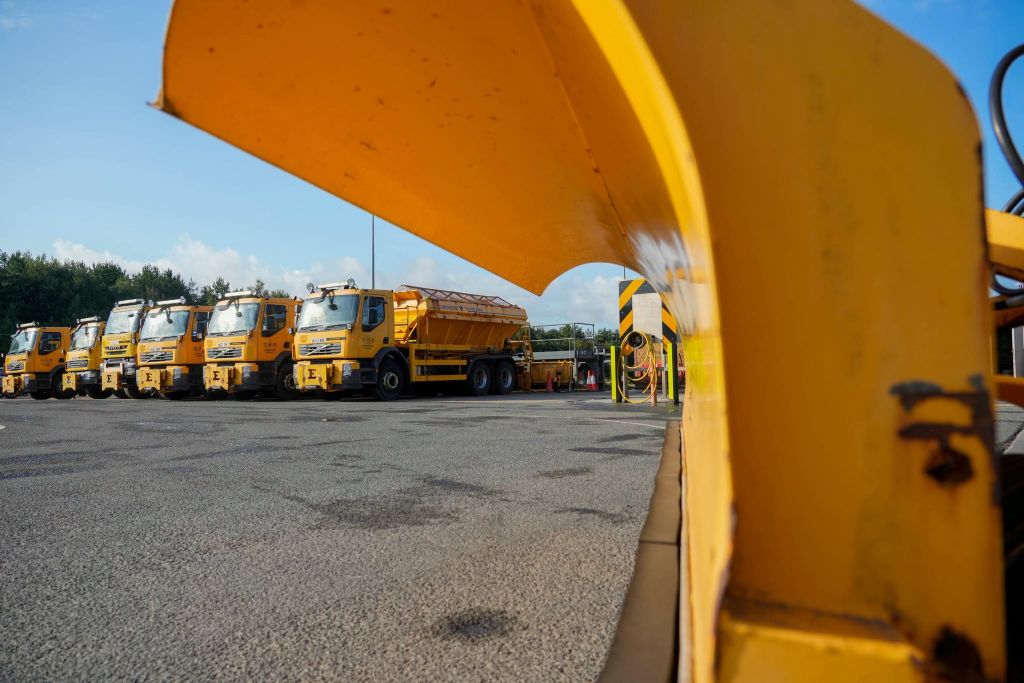
Gritters are treating roads across north and West Cumbria as overnight temperatures are forecast to fall well below freezing.
Cumberland Council confirmed that its gritting crews were being deployed during Thursday afternoon and evening, following forecasts of significantly lower road surface temperatures. Some routes are expected to reach as low as -4.4°C, creating conditions in which frost and ice could develop. The operation is intended to reduce the risk of hazardous surfaces before temperatures fall overnight.
The council's fleet is being sent out to treat roads ahead of the cold spell, with particular attention given to routes where freezing conditions are expected. The precautionary work is designed to prevent ice from forming on the road surface, rather than waiting until hazardous conditions have already developed.
Weather conditions are expected to change as overcast skies clear during the evening. The developing partly cloudy conditions will allow temperatures to fall, resulting in a dry but cold night across much of the county. Although the absence of rain may appear favourable, the falling temperatures could still create dangerous patches of ice, particularly on untreated roads.
Road surface temperatures are forecast to fall considerably below freezing in some locations. The lowest predicted reading of -4.4°C highlights the potential severity of the conditions on selected routes. Temperatures measured at road level can differ from those recorded in standard weather forecasts, meaning icy conditions may develop even when the air temperature appears less severe.
Frost and icy patches are expected to be possible overnight and into Friday morning. Drivers travelling early are being encouraged to take extra care, particularly on rural roads, shaded sections and routes exposed to colder conditions. Bridges and elevated sections can also become slippery as temperatures fall, requiring motorists to adjust their speed and leave additional space between vehicles.
The gritting operation is intended to help maintain safer travelling conditions across the council's road network. Salt spread by gritter vehicles lowers the freezing point of moisture on the road surface, reducing the likelihood of ice forming. The treatment is particularly important before a period of clear, cold weather when untreated surfaces can freeze quickly.
Cumberland Council highlighted the scale of the equipment used during winter road maintenance. Each gritter can distribute salt across an area wider than a football pitch within a few minutes. This allows crews to cover significant stretches of road efficiently as they work through their assigned routes.
The deployment comes as Cumbria experiences a transition from cloudy conditions to clearer and colder weather. The forecast suggests that temperatures will recover above freezing after the overnight period, although the early hours of Friday remain the main concern for possible frost and ice.
The council's winter maintenance work forms part of its wider responsibility for keeping important roads usable during periods of cold weather. Gritting is generally carried out as a preventative measure on priority routes, helping maintain access for commuters, emergency services, businesses and other road users.
The timing of the operation is particularly important for people travelling before normal daytime temperatures begin to rise. School journeys, deliveries and early work commutes could coincide with the coldest part of the morning. Motorists should therefore avoid sudden braking or acceleration and remain cautious when approaching bends and junctions.
The risk may be greater on smaller rural roads where traffic levels are lower and surfaces receive less direct sunlight. While treated routes should benefit from the salt application, conditions can vary considerably over short distances. Drivers should not assume that every road will have received the same level of treatment.
Pedestrians and cyclists may also encounter slippery conditions on pavements, cycle routes and other untreated surfaces. Anyone walking early in the morning should watch for patches of frost, particularly in shaded areas and near exposed bridges. Taking extra time when travelling could help reduce the risk of slips and falls.
The latest deployment follows the start of Cumberland Council's winter gritting programme earlier in November. The authority began treating selected priority routes on 10 November, marking the first call-out of its winter fleet this season. The latest operation reflects the need to respond to changing forecasts as colder conditions become more established.
With road temperatures expected to fall to -4.4°C on some routes, the council's precautionary gritting operation is aimed at limiting the impact of the overnight freeze. Conditions are expected to improve as temperatures rise above freezing on Friday, but motorists are advised to remain alert to frost and icy patches during the morning journey.
For further local news, community updates and story tips, contact news@lakelandpost.co.uk or 0333 090 2080.