
Furness Abbey Named Among Britain’s Most Atmospheric Historic Ruins
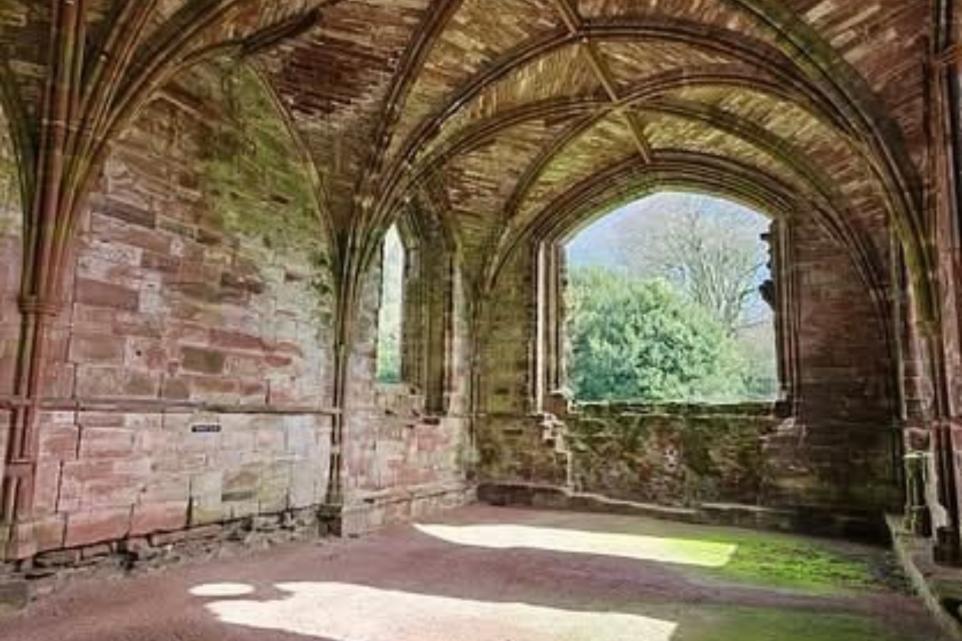
Furness Abbey has earned recognition among Britain’s most atmospheric ruined abbeys, putting one of Cumbria’s most significant historic landmarks in the spotlight.
Located in a wooded valley on the Furness Peninsula, the abbey is known for its impressive red sandstone remains and distinctive Gothic architecture. Founded in the 12th century, it developed into one of the largest and wealthiest religious houses in north-west England, becoming the second-richest Cistercian abbey in the country after Fountains Abbey in Yorkshire.
The monastery’s origins date back to 1124, when a community of monks first settled at Tulketh, near Preston. They moved to the Furness Peninsula in 1127 under the patronage of Stephen, who later became King of England. Its location offered access to fresh water, timber, stone and routes connecting the religious community with the wider region.
At the height of its influence, Furness Abbey was an important religious, economic and political centre. Its extensive landholdings helped finance the construction of substantial buildings around the cloister. During the 13th century, the community may have included around 100 monks and twice as many lay brothers, reflecting the scale of the institution.
However, the abbey's history also includes conflict and controversy. It was attacked by Scottish forces in 1316, causing extensive damage and forcing the monks to leave for other monasteries while repairs were undertaken. The community later faced the effects of the Black Death, which arrived in 1349 and killed dozens of monks and lay brothers.
Furness Abbey eventually surrendered to the Crown in 1537 during Henry VIII’s dissolution of the monasteries. The church and other buildings were subsequently dismantled, leaving the substantial ruins that can still be seen today. The surviving remains include sections of the great church, its tower, the chapter house and much of the eastern cloister range.
The site later attracted writers and artists, including William Wordsworth and JMW Turner. Wordsworth helped popularise the ruins through his writing, while Turner visited the area to sketch the historic buildings. Their interest contributed to Furness Abbey becoming an important destination for visitors exploring the Lake District and surrounding region.
Conservation work has also helped visitors explore more of the medieval site. A reconstructed timber night staircase, opened in 2024, follows the position of the original staircase used by monks travelling from their dormitory to the church for overnight services. It provides access to the former dormitory level and a viewing platform overlooking the ruins.
Today, Furness Abbey remains an important part of Cumbria’s heritage, offering visitors an opportunity to explore nearly 900 years of history. Its architecture, religious legacy and dramatic setting continue to make it one of the region’s most distinctive historic attractions.
For further local news, community updates and story tips, contact news@lakelandpost.co.uk or 0333 090 2080.