
Dalton Public Garden Welcomes Bees In Boost For Local Biodiversity
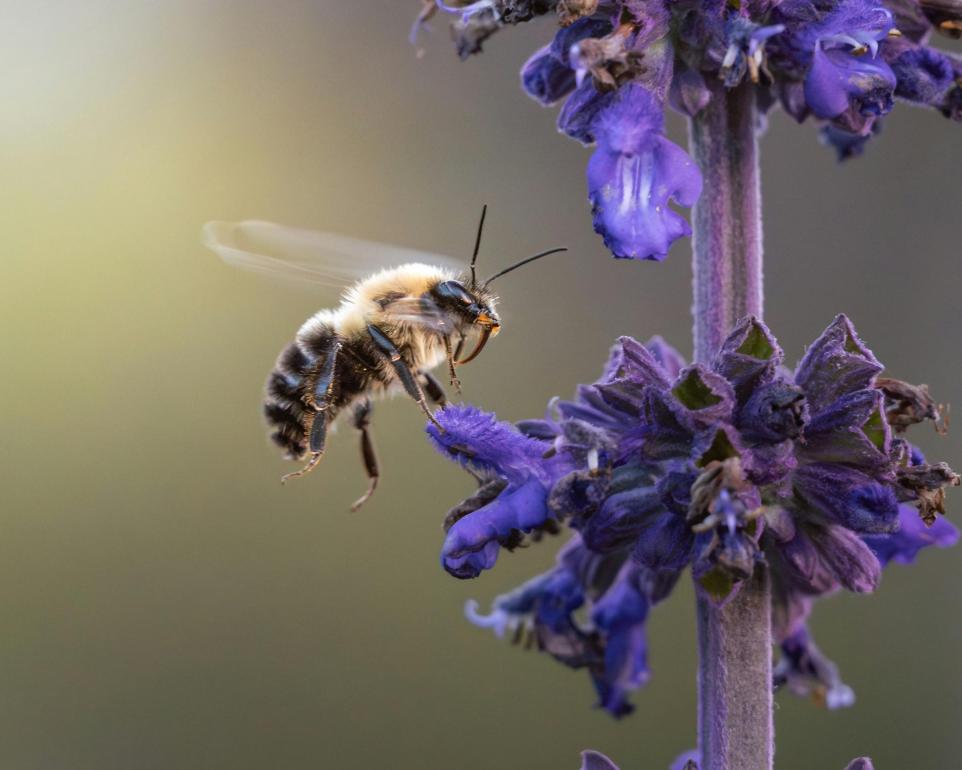
Dalton with Newton Town Council has introduced new wildlife features at Goose Green Memorial Gardens, strengthening efforts to improve biodiversity across the town.
The project focuses on transforming Goose Green Memorial Gardens into a more wildlife-friendly public space, providing additional opportunities for nature to thrive in an urban environment. The improvements include native plants, newly installed bird and bat boxes, and a beehive, creating different habitats for wildlife. The garden is being developed as a place where residents can enjoy green space while supporting the natural environment and encouraging greater awareness of local biodiversity.
The introduction of the beehive is an important part of the garden's transformation, adding another feature designed to support pollinating insects. Bees play an essential role in maintaining healthy ecosystems by pollinating flowering plants and helping many species of vegetation reproduce. Providing suitable habitats and access to flowering plants can help support local bee populations, particularly as natural habitats face increasing pressure from development and changes in land management.
Native planting is another central element of the improvements. Plants suited to the local environment can provide valuable sources of nectar, pollen and shelter for insects throughout different stages of their life cycles. The addition of bird and bat boxes also creates opportunities for wildlife to find suitable nesting and roosting locations. Together, these features are intended to make the garden a more diverse habitat rather than simply an attractive public space.
The work forms part of wider efforts by Dalton with Newton Town Council to improve biodiversity across the town. The council has identified community gardens, green spaces, planters and other publicly managed areas as opportunities to support nature. Its biodiversity policy also reflects the importance of protecting existing habitats and encouraging residents to take practical steps towards improving the local environment.
Goose Green is also among the locations associated with the wider Planting for Pollinators initiative, a partnership involving Westmorland and Furness Council and Cumbria Wildlife Trust. The programme aims to reverse declining pollinator numbers by creating and restoring flower-rich habitats across the area. Community spaces are particularly valuable because they can provide connections between larger natural habitats, helping insects move between feeding and nesting areas.
The wider programme has made considerable progress since its launch in 2023. By August 2026, 22 sites across Westmorland and Furness had begun transformation into species-rich meadows or pollinator-friendly community gardens, creating approximately 4.2 hectares of habitat. More than 700 people had also taken direct action to support pollinators through the initiative, highlighting the contribution of community involvement to local environmental improvements.
The partnership's work received national recognition in August 2026 when the Planting for Pollinators project was awarded the Bees' Needs Champion Award by the Department for Environment, Food and Rural Affairs. The award recognised initiatives making a positive contribution to protecting pollinating insects. The project also encourages residents to help by planting nectar-rich flowers, allowing sections of gardens to grow naturally, reducing grass cutting and avoiding unnecessary disturbance to insect habitats.
The improvements at Goose Green demonstrate how relatively small changes to public spaces can contribute to wider environmental objectives. By combining planting, nesting facilities and a beehive, Dalton's garden is becoming a more wildlife-friendly area for the community. Continued care and appropriate management will be important in maintaining the new habitats and ensuring the space remains beneficial to wildlife as well as accessible and enjoyable for residents.
For further local news, community updates and story tips, contact news@lakelandpost.co.uk or 0333 090 2080..