
Cumbria Butterfly Numbers Soar As Drought Raises Fears For 2027
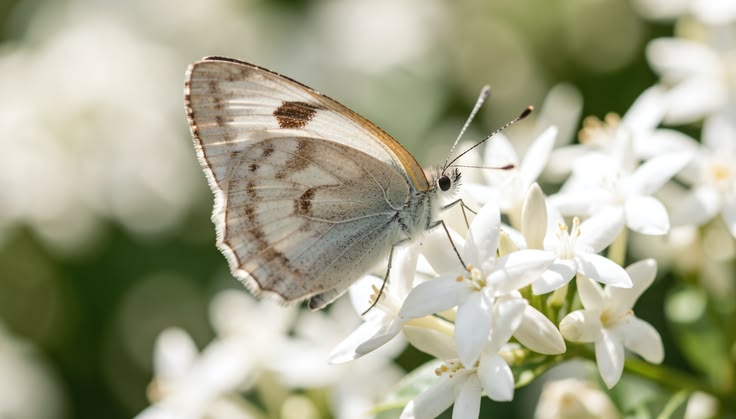
Butterfly numbers across Cumbria have soared this summer, but severe drought conditions have raised concerns about populations declining next year.
A total of 1,357 people across Cumbria took part in the three week Big Butterfly Count, recording 24,026 butterflies and day flying moths during the annual survey. The figures provide a detailed snapshot of butterfly activity across the county and show how favourable spring and summer conditions helped create strong opportunities for adult butterflies to feed, fly and breed during the latest counting period.
The Small White was the most frequently recorded species during the count, followed by the Large White and Red Admiral. Participants also recorded 2,518 Painted Lady butterflies across Cumbria, contributing to a much wider national increase for the species. Across the UK, Painted Lady numbers were reported to have increased by 335 per cent compared with the previous year.
Conservation experts said the strong numbers were helped by favourable conditions during the spring, when caterpillars were able to benefit from suitable conditions for feeding and development. The hot and dry summer then created conditions that were particularly favourable for adult butterflies, allowing them to spend more time flying, feeding and breeding across gardens, countryside and other suitable habitats.
However, the same weather conditions that helped produce impressive adult butterfly numbers have also created serious concerns about what could happen to populations during the following year. The prolonged lack of rainfall has affected vegetation, with some plants becoming withered before caterpillars were able to complete their feeding and development.
The Met Office has said it is increasingly likely that this summer will become the hottest on record, while the National Drought Group declared more than 70 per cent of England to be officially in drought during August. The combination of exceptional heat and prolonged dry conditions has therefore created a difficult outlook for wildlife that depends on healthy plants and suitable habitats.
Butterfly Conservation has warned that the full effects of the drought may not become apparent until next year. Although adult butterflies benefited from the warm and sunny weather during the summer, the condition of plants and habitats used by caterpillars could have longer term consequences for the next generation, potentially resulting in reduced numbers when the next season begins.
Professor Richard Fox, head of science at Butterfly Conservation, said adult butterflies generally benefit from hot, sunny conditions because they can fly, feed and breed more effectively. He warned, however, that the lack of rainfall that created those favourable conditions could ultimately result in a population crash, with some butterfly populations potentially taking years to recover from the effects.
Previous periods of severe drought have demonstrated the potential consequences for butterfly populations. Butterfly Conservation highlighted the droughts of 1976 and 1995, which had serious effects on butterfly numbers, with some species never fully recovering from the environmental pressures they experienced during those periods.
The concerns are particularly significant because butterfly populations were already facing long term pressures before this year's extreme weather. According to Butterfly Conservation, 80 per cent of the UK's butterfly species have declined since the 1970s, leaving many populations in a weaker position to withstand additional environmental pressures such as drought and increasingly hot summers.
Conservationists are now encouraging people to take practical steps in their own gardens during the winter months to help provide more resilient habitats for butterflies and other wildlife. Recommendations include planting trees and shrubs, installing water butts and allowing areas of grass to grow longer, all of which can help provide resources and shelter during periods of increasingly dry weather.
Creating more suitable garden habitats can provide valuable support for insects at different stages of their life cycle. Planting and maintaining vegetation gives butterflies access to food and shelter, while leaving some areas of grass longer can create additional habitat. Water butts can also help gardeners maintain plants during dry periods without relying entirely on mains water supplies.
The latest figures from Cumbria nevertheless show that the county experienced a particularly strong season for butterfly sightings. More than 24,000 butterflies and day flying moths were recorded during the three week survey, with the results demonstrating the value of widespread public participation in monitoring species and identifying changes in butterfly populations across the region.
The Big Butterfly Count relies on members of the public recording butterflies and day flying moths they see within a specified period. The resulting observations help build a wider picture of butterfly populations and provide conservation organisations with information that can be used to understand changes in species numbers and the conditions affecting them across different parts of the country.
The strong results recorded this year therefore come with an important qualification. While hot, sunny weather created excellent conditions for adult butterflies and helped drive increased sightings, the drought has placed pressure on the plants and habitats needed to support caterpillars. Conservation experts are concerned that this underlying impact could become much clearer when butterfly populations are assessed during the next season.
The next Big Butterfly Count is scheduled to take place from July 9 to August 1, 2027, providing another opportunity for people across Cumbria and elsewhere in the UK to record butterflies and day flying moths. The results will help show whether this year's strong numbers have continued or whether the effects of drought have contributed to the population pressures conservationists are warning about.
Got a news story or tip to share? Contact our editorial team by emailing news@lakelandpost.co.uk or call us directly on 0333 090 2080.