
Courts Bill, Budget Scrutiny And Rosebank Debate Set To Shape Busy Week In Westminster
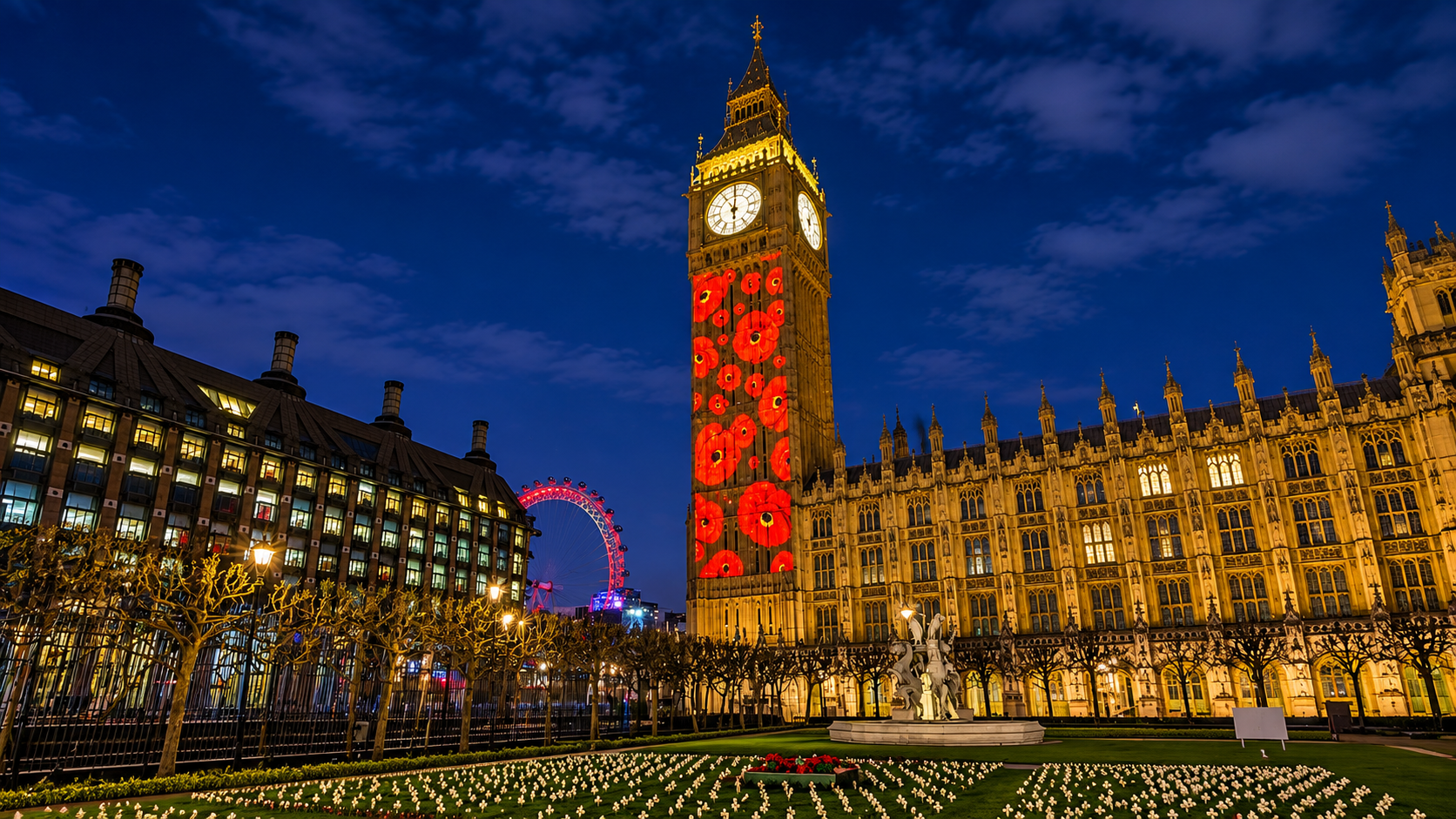
Westminster is preparing for a packed parliamentary week, with criminal justice reform, Budget scrutiny and energy policy among the main issues.
The House of Commons returns from its November adjournment on Tuesday, November 10, but proceedings will follow a Monday-style timetable. MPs are expected to begin sitting at 2.30pm, with the main business potentially continuing until 10pm. Westminster Hall debates will also follow an adjusted schedule, reflecting parliamentary rules that apply when the House returns after an extended break.
One of the most closely watched issues will be the Courts and Tribunals Bill, which begins its Committee Stage in the House of Lords on Tuesday. The legislation proposes removing defendants’ automatic right to choose a Crown Court jury trial for certain either-way offences. It would also allow judge-only trials in some complex or lengthy cases, raising questions about the future role of juries in the criminal justice system.
Two Lords committees have raised concerns about ministerial powers contained in the proposed legislation. One objection centres on allowing the Government to add further offences to the list eligible for judge-only trials through secondary legislation. Critics argue that decisions of this significance should be made directly through primary legislation, allowing Parliament greater scrutiny and control over changes to criminal justice policy.
The committees have also questioned proposals that could allow ministers to change the maximum custodial sentences available to magistrates. The Government describes the measure as a way to manage the distribution of cases between magistrates’ courts and the Crown Court. However, critics warn that increasing magistrates’ sentencing powers could move more serious cases away from the Crown Court. Peers are expected to examine these issues as they consider amendments to the Bill.
Another issue before the House of Lords is the Church Appointments (Repeal of Discriminatory Provision) Bill. The proposed legislation would remove historic restrictions dating from the nineteenth century that prevent a Roman Catholic or Jewish Prime Minister from advising the monarch on certain Church appointments. The Bill has already passed through its Commons stages and is expected to receive further consideration in the Lords during the week.
Economic policy will also feature prominently when Chancellor John Healey appears before the Treasury Committee on Wednesday, November 11. MPs are expected to question him about the assumptions behind the Government’s Budget, including tax and spending decisions, public services, borrowing and national debt. The session follows evidence from economists and the Office for Budget Responsibility and is intended to provide more detailed scrutiny of the Government’s financial plans.
The committee’s examination is expected to help inform scrutiny of the Finance Bill, which will put many of the Budget measures into legislation. Although MPs have already held a four-day Budget debate, the Treasury Committee session provides an opportunity to question the Chancellor in greater detail. Its findings could help shape parliamentary consideration of the legislation when the Bill progresses through the Commons.
Energy policy is another major subject, with MPs due to debate the Government’s position on the Rosebank oilfield on Wednesday. The debate, led by Green Party MP Carla Denyer, comes as the development remains under review following the quashing of its original consent by Scotland’s Court of Session in January 2025. The court ruled that the environmental assessment had failed to account for emissions produced when extracted oil and gas are eventually burned.
The Rosebank debate is expected to cover environmental concerns, energy security and the economic arguments surrounding the project. However, ministers may face limits on how much they can say about the final decision because the application is still subject to a regulatory process. The debate will not conclude with a vote, but it will give MPs an opportunity to challenge the Government’s wider policy and seek clarification on its approach.
Morgan McSweeney, former chief of staff to Prime Minister Keir Starmer, is also scheduled to appear before the House of Lords Constitution Committee on Wednesday. His evidence forms part of an inquiry into the UK’s constitutional safeguards. Peers are expected to explore issues including the concentration of power in Downing Street, government decision-making, transparency and the role of independent institutions in holding those in authority accountable.
The committee will also hear from representatives of organisations responsible for standards and oversight, including the Ethics and Integrity Commission, the Electoral Commission and the Civil Service Commission. Their evidence will help examine how effectively existing safeguards operate and whether public accountability depends too heavily on the judgement of individuals in senior positions. The sessions are expected to consider the balance between effective government and the need for strong scrutiny.
On Thursday, November 12, MPs will hear presentations from three select committees. These will cover defence in the High North, tackling obesity as a public health priority, and the relationship between China and the UK economy. Committee statements allow MPs to question representatives about reports and inquiries, although they do not automatically require ministers to respond or lead to a formal vote.
The Commons will also hold a general debate on the seven Nolan principles of public life: selflessness, integrity, objectivity, accountability, openness, honesty and leadership. The debate was requested by Liberal Democrat MP Susan Murray, who has argued that repeated failures in politics and public institutions have weakened public trust. MPs will have an opportunity to discuss standards expected of people holding public office, although no substantive motion or vote is scheduled.
Other business during the week includes questions on justice, health and equalities, a debate on the Autumn Budget in the House of Lords, and further consideration of legislation covering health and youth justice. The Commons is also scheduled to consider the Financial Services and Markets Bill and a range of other parliamentary business. The published programme may change, so the daily parliamentary order papers remain important for confirming the final schedule.
Parliament’s agenda reflects a wide range of political and constitutional challenges, from the balance between jury trials and judge-only proceedings to the Government’s financial priorities and energy policy. The coming debates and committee sessions will provide opportunities for MPs and peers to question ministers, examine proposed legislation and place concerns on the parliamentary record. Their outcomes will help shape the next stages of scrutiny, although several discussions are not expected to result in immediate decisions.
For further local news, community updates and story tips, contact news@lakelandpost.co.uk or 0333 090 2080.