
Burnham’s Comments On EU Referendum Reignite Debate Over Britain’s Brexit Future
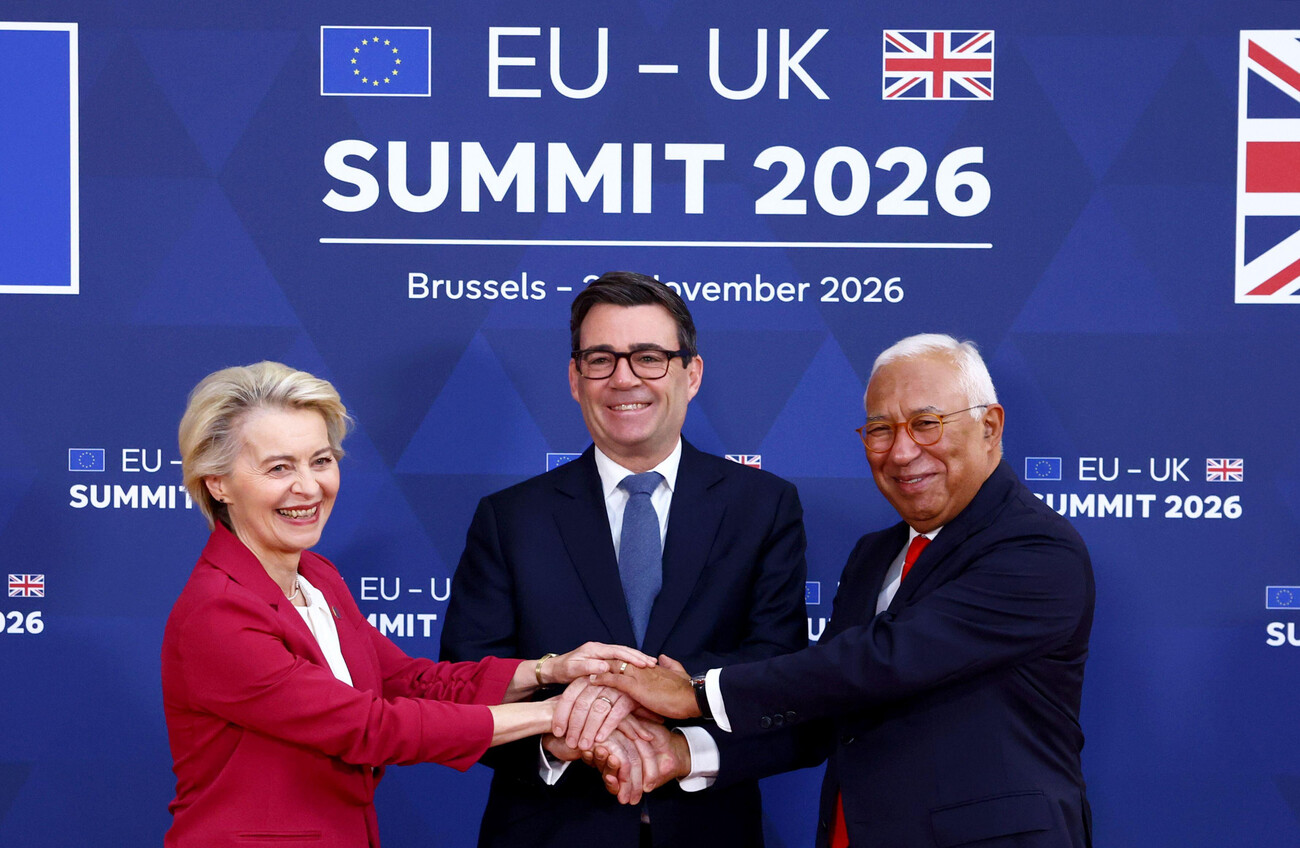
Andy Burnham has renewed the debate over Brexit after saying Britain could not rejoin the European Union without another public referendum.
The Prime Minister made the remarks while responding to questions from MPs about the Government’s recent agreements with the EU. He was asked whether it would be unthinkable for a future government to take Britain back into the bloc without consulting voters. Burnham agreed, making clear that any move towards full membership would require democratic approval.
His comments followed a UK-EU summit in Brussels, where agreements were reached covering food and agricultural trade, emissions trading and a youth experience scheme. The arrangements form part of the Government’s efforts to improve relations with European partners following the UK’s departure from the bloc.
The Prime Minister rejected suggestions that the agreements were designed as a first step towards another referendum. He told MPs that the Government would take a pragmatic approach to relations with Europe and consider options according to Britain’s long-term interests. He also stressed that there was no fixed destination for the discussions.
Burnham said the Government intended to hold informal discussions with European partners over the coming year to examine possible future arrangements. The findings are expected to be considered around the time of the next UK-EU summit, giving ministers an opportunity to assess the available options before making longer-term decisions.
The Prime Minister has previously expressed support for the possibility of Britain rejoining the EU during his lifetime. However, he has also said that the Government is not proposing to change its current policy commitments during this Parliament. Labour’s existing manifesto commitments remain an important limit on the immediate scope of negotiations.
The latest remarks have attracted attention from political parties and former prime ministers who have warned against reopening the Brexit debate. Former Conservative leaders have argued that renewed discussions could become a major political distraction at a time when the Government is facing economic and domestic challenges.
Conservative MPs have also questioned the purpose of the new agreements. Sir Edward Leigh argued that closer relations could lead towards a campaign for EU membership and another referendum. He warned that reopening the issue could create fresh political divisions and place further pressure on the United Kingdom’s constitutional arrangements.
The debate has also raised questions about Scotland’s constitutional future. The Scottish National Party has criticised what it sees as different approaches to referendums on EU membership and Scottish independence. SNP MP Seamus Logan said the Prime Minister’s position could undermine his democratic credentials if he entertained another Brexit vote while continuing to reject calls for a fresh Scottish independence referendum.
Burnham has so far maintained that a second Scottish independence referendum is not under consideration. Scottish First Minister John Swinney has continued to press for another vote, but the UK Government has resisted those demands. The disagreement adds another dimension to the wider debate about how democratic decisions should be handled across the United Kingdom.
Opposition to reopening the Brexit question has also come from former prime ministers David Cameron, Theresa May and Rishi Sunak. They have warned that another prolonged argument over Britain's relationship with Europe could divert attention from other priorities. Their concerns reflect continuing divisions among political figures over whether Brexit should remain a central issue in national politics.
Conservative leader Kemi Badenoch has accused Burnham of looking backwards rather than concentrating on future challenges. Reform UK leader Nigel Farage has also criticised the prospect of closer integration, arguing that Britain should not reverse the decision made by voters in the 2016 referendum.
Within Labour, the issue is also attracting differing views. Some MPs have welcomed the willingness to discuss Britain's future relationship with Europe, while others are concerned that the subject could dominate political debate and create difficulties for the party in constituencies where Brexit remains contentious.
The Government’s recent agreements are intended to address practical issues arising from the UK's departure from the EU. The food and agricultural arrangements are expected to reduce many post-Brexit checks and restrictions from March 2028. Ministers say closer cooperation could help businesses and consumers, although the Government has not guaranteed that the changes will automatically lead to lower prices.
For now, the Government's stated approach is to examine the available options rather than commit to a return to EU membership. Any major change would involve further political decisions, negotiations with European partners and, if Britain sought to rejoin, a public referendum. The discussion is therefore likely to remain a significant issue in the UK's political debate over the coming years.
For further local news, community updates and story tips, contact news@lakelandpost.co.uk or 0333 090 2080.