
60 Day Temporary Campsite in Threlkeld Cleared by Lake District Planners
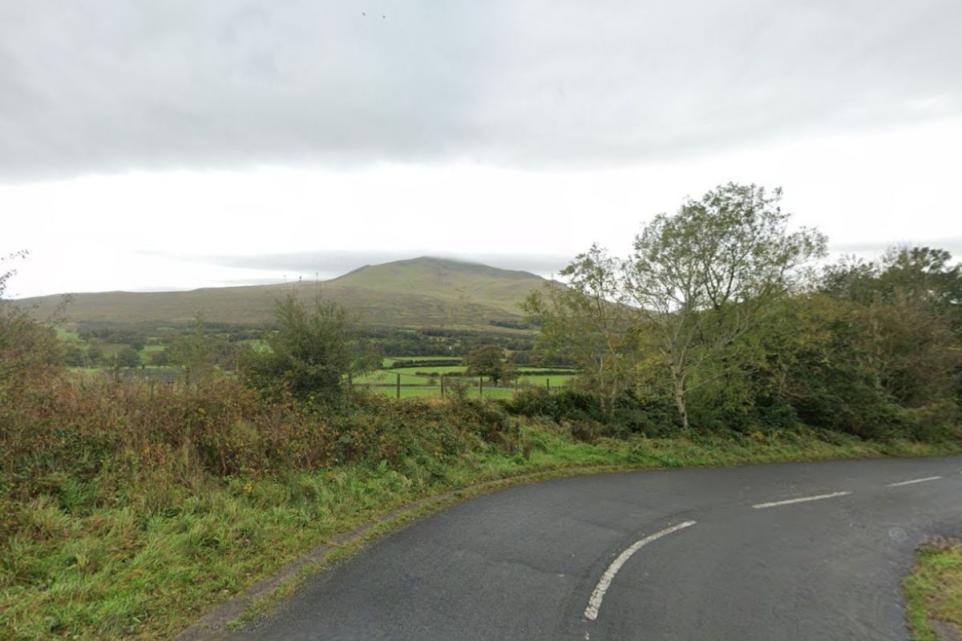
Plans for a temporary campsite in Threlkeld, near Keswick, have been cleared, allowing the site at Low Hollows to operate for up to 60 days.
The proposed campsite covers three agricultural fields in the village, within the Lake District National Park. Two fields to the north and south of Low Hollows have previously been used for temporary camping during 2023, 2024 and 2025. The latest proposal falls under permitted development rules, which allow certain temporary recreational campsites to operate without a full planning application, provided the relevant legal requirements are met.
Under national planning regulations, temporary recreational campsites can operate for up to 60 days in a calendar year, subject to specific conditions. Operators must notify the National Park Authority in writing before opening and provide details of the site layout, operating dates, toilet facilities and waste disposal arrangements. The permitted development rules also impose a limit of 50 pitches. Permanent building or engineering works cannot be authorised through this temporary-use provision alone.
Wastewater arrangements were an important consideration in assessing the Low Hollows proposal. The plans provide for waste from the site's toilet and shower facilities to be directed into an underground cesspool designed to store wastewater securely. The stored waste would then be collected and removed by a registered waste contractor for disposal. The assessment concluded that the proposed arrangements were not likely to have a significant effect on the surrounding area.
Natural England also considered the wastewater proposals because of the need to protect designated areas from additional phosphorus entering the catchment. The organisation confirmed it had no objection to the arrangements, after the applicant stated that wastewater would be transported to a treatment works outside the nutrient neutrality catchment. Nutrient neutrality measures are intended to prevent additional nutrient pollution from harming protected habitats and water environments.
The decision comes amid wider discussion about the impact of temporary campsites across the Lake District. The National Park Authority has recently considered whether additional controls may be needed to address concerns about the scale and effects of pop-up sites on local communities, landscapes and infrastructure. In October, members agreed to begin consulting on possible measures to make temporary campsite development subject to tighter planning controls. Any future changes would depend on the relevant consultation and legal processes.
For further local news, community updates and story tips, contact news@lakelandpost.co.uk or 0333 090 2080.