
Barrow Couple’s Fight for Cancer Drug Access Raised in Parliament
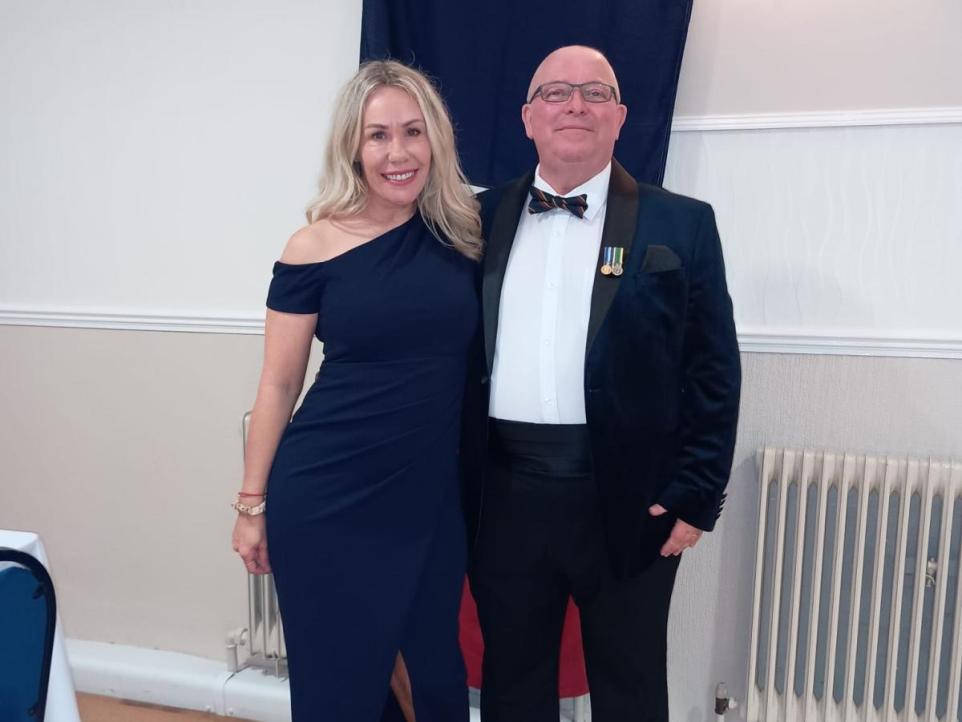
A Barrow couple’s fight to secure access to a cancer treatment has been raised in Parliament, as concerns grow over tax rules affecting donated medicines.
Ian Worrall, from Cumbria, has a rare and aggressive cancer known as cholangiocarcinoma, which affects the bile ducts. After his cancer progressed despite chemotherapy, a specialist recommended regorafenib as a possible next treatment. The drug had previously been supplied free through a compassionate-use programme, offering an option when other suitable treatments were limited. However, changes in the application of VAT to donated medicines disrupted access to the scheme.
Ian’s wife, Emma Worrall, has been campaigning for the Government to address the issue, highlighting the consequences for patients who have few remaining treatment options. The family said the withdrawal of the programme had left them facing the prospect of paying for the medicine themselves. With the treatment needed urgently, the situation has placed additional emotional and financial pressure on the couple as they seek a way forward.
The issue was raised in the House of Commons by Michelle Scrogham, MP for Barrow and Furness, during questions to the Prime Minister on 21 October 2026. She explained that regorafenib had been Ian’s only remaining life-extending option recommended by clinicians, and asked the Government to resolve the VAT problem and provide certainty that Bayer could return to the scheme. She also asked for a meeting so the Prime Minister could hear directly about the impact on the family.
The Prime Minister acknowledged the seriousness of Ian’s situation and said the Government was developing a new approach to remove VAT as a barrier to free-of-charge donations of innovative medicines. He said the arrangement would be permanent and backdated to 23 June 2026, adding that further details would be announced. He also indicated that a minister would be willing to meet the MP to discuss the family’s circumstances.
Compassionate-use schemes allow pharmaceutical companies to provide medicines free to people with serious illnesses when approved treatment options have been exhausted or are unsuitable. These programmes can be particularly important for patients with rare cancers, where treatment choices may be limited. However, changes to the tax treatment of donated medicines have prompted concerns that companies could withdraw from schemes rather than absorb additional costs.
The dispute has implications beyond the Worrall family. Medical charities have warned that patients who cannot afford privately funded treatment could lose access to medicines that specialists believe may offer a potential benefit. People with rare and less common cancers can face particular difficulties because treatment options may be limited and some medicines are prescribed outside their licensed indications. Families and campaigners say tax arrangements should not unintentionally obstruct access to these programmes.
The Government’s proposed changes are intended to provide a route for pharmaceutical companies to continue donating medicines without VAT becoming an obstacle. Officials have indicated that the solution could involve changes to tax legislation or a reimbursement arrangement. While the Prime Minister’s statement offered a commitment to resolving the issue, further implementation details were still awaited following the parliamentary exchange.
For Emma and Ian, the priority remains securing access to the treatment recommended by Ian’s specialist while seeking a lasting solution for other patients in similar circumstances. Their campaign has brought a technical tax issue into the national debate about cancer care, compassionate access and the practical barriers facing people with limited treatment choices. The outcome of the Government’s proposed changes will be important for families relying on donated medicines in the future.
For further local news, community updates and story tips, contact news@lakelandpost.co.uk or 0333 090 2080.