
Extreme Weather Risks Set To Intensify As Powerful El Niño Threatens 2027
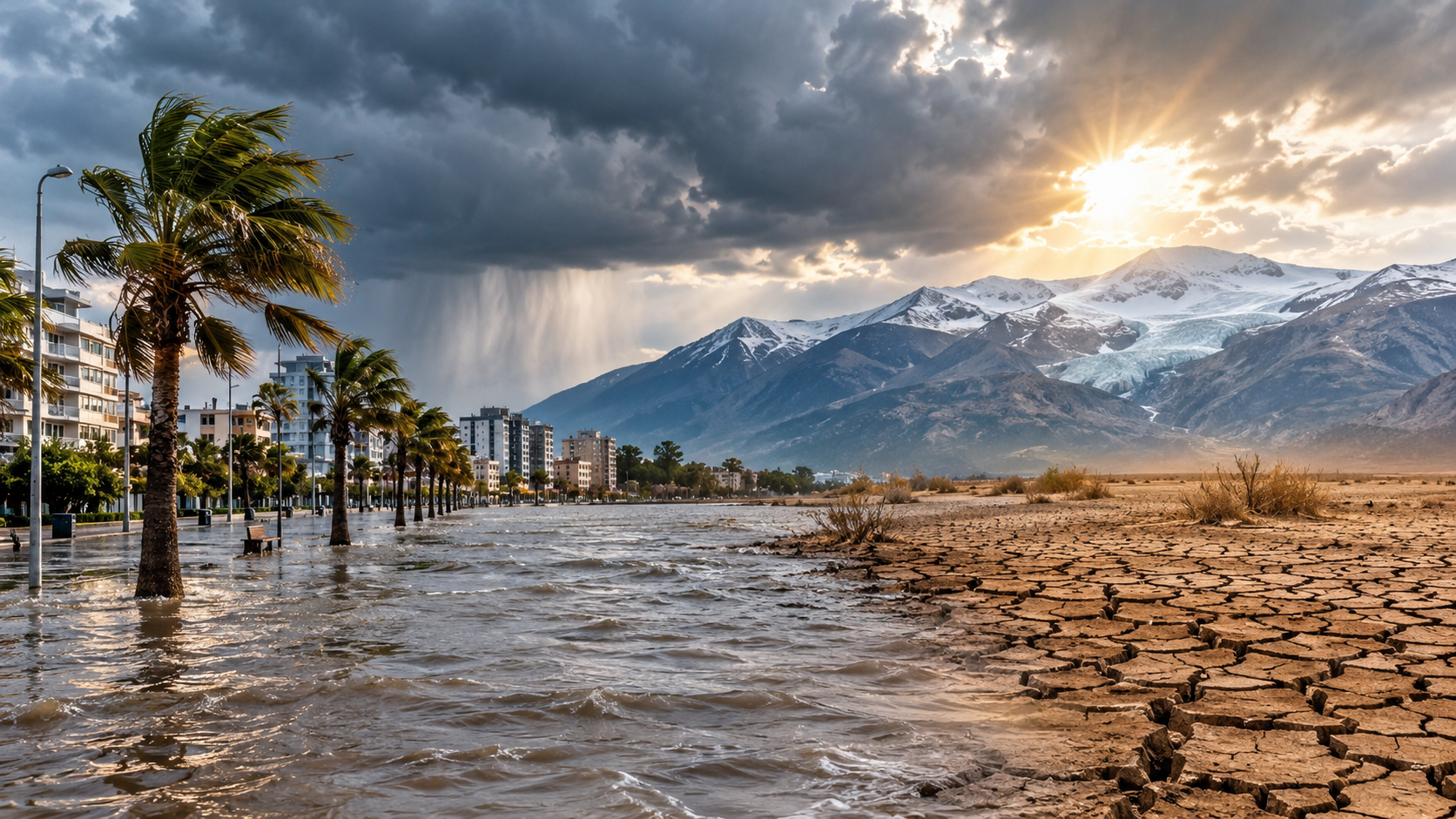
Global climate extremes are expected to continue into 2027 as a powerful El Niño develops, raising concerns over heatwaves, floods, droughts and tropical storms worldwide.
The warning was issued by the World Meteorological Organization (WMO) in its State of the Climate Update 2026, released on November 9 as the COP31 climate conference opened in Antalya, Türkiye. The report examines climate conditions and impacts recorded between January 2025 and September 2026.
According to the assessment, 2026 is on course to become one of the four warmest years since records began. Global average temperatures between January and September were approximately 1.47C above the pre-industrial average, continuing a prolonged period of exceptional warming. The previous 12 years have individually been the warmest on record.
The developing El Niño is expected to increase global temperatures further. The climate pattern, which involves unusually warm sea surface temperatures in the tropical Pacific, is forecast to strengthen towards the end of 2026 and continue into early 2027. Scientists warn it could increase the likelihood of extreme weather in different parts of the world.
WMO Secretary-General Celeste Saulo described the developing event as an unusually powerful El Niño, warning that it would act as a risk multiplier. She said heatwaves, tropical cyclones and heavy rainfall were intensifying faster than historical climate patterns had prepared communities to expect.
The report also highlighted record levels of ocean heat and sea temperatures. Global ocean heat content reached its highest recorded level in 2025 and continued rising during 2026. Global mean sea level also reached a record high, increasing risks for communities living in low-lying coastal areas.
Melting glaciers remain another major concern. Glaciers lost more than 400 billion tonnes of ice during 2025, equivalent to approximately one millimetre of global sea-level rise. The report also found that freshwater stored in groundwater, rivers, soil, reservoirs and snow has declined globally since 2014.
Extreme weather has already caused serious disruption in several regions. Heatwaves, droughts and wildfires across Europe contributed to tens of thousands of excess deaths, while dangerous heat affected millions of people in India. A major glacier collapse and subsequent flash flooding in the Himalayas also caused widespread devastation in Nepal.
The expected impacts extend beyond temperatures and natural disasters. The WMO warned that worsening heat, drought and heavy rainfall could increase health risks, damage agricultural production, threaten food supplies and contribute to the spread of diseases such as malaria and dengue. Communities heavily dependent on rain-fed agriculture are considered particularly vulnerable.
The warning comes as world leaders gather for COP31, which runs from November 9 to 20 in Antalya. Discussions are expected to focus on reducing greenhouse gas emissions, strengthening climate adaptation and improving financial support for countries facing the greatest risks. The WMO has also called for stronger weather observation networks and reliable early-warning systems to help communities prepare for increasingly dangerous conditions.
For further local news, community updates and story tips, contact news@lakelandpost.co.uk or 0333 090 2080.