
Russia And Ukraine Emergency Alert Apps Hacked With Fake Nuclear Warnings
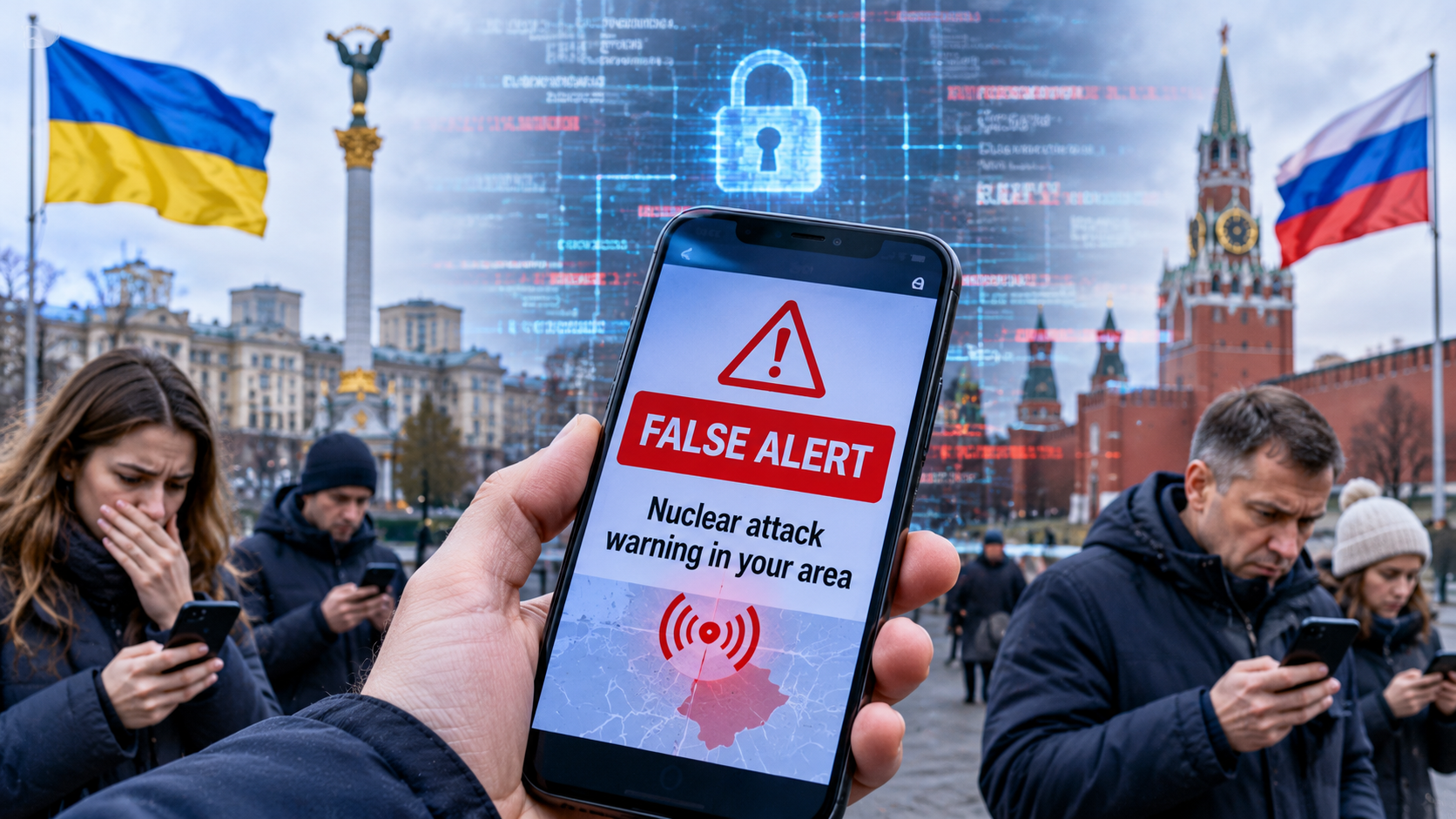
Emergency alert applications in Russia and Ukraine were hacked overnight, triggering false warnings about nuclear attacks, radiation threats and chemical dangers.
The incidents took place late on Sunday, 1 November, and continued into Monday morning. Ukraine's Air Alert application, used by civilians to receive warnings about incoming missiles and drones, began distributing false notifications claiming that Kyiv and other areas faced nuclear and chemical threats, as well as street fighting.
Ukraine's Air Force quickly confirmed that the messages were false, describing the incident as hostile interference. Officials specifically denied reports of a radiation threat and urged residents to remain calm and follow verified updates through official communication channels. The application was temporarily suspended while developers investigated the breach and worked to restore its services.
Some of the fraudulent messages also referred to Russia's Oreshnik hypersonic missile, suggesting that an attack was imminent. The alerts appeared in a mixture of Russian, Ukrainian and English, with spelling and grammatical errors that raised further doubts about their authenticity.
Several hours later, Russia's Emergency Situations Ministry reported a separate cyberattack against its Emercom mobile application. The ministry said false warnings had been distributed to users across 33 regions, including claims that nuclear warheads had been launched against Russian territory.
Russian authorities said the attackers had exploited a vulnerability in the application's administrative system. The ministry began investigating the incident and working to restore the affected functions, while assuring the public that the wider emergency warning infrastructure remained operational.
Officials stressed that the mobile applications were supplementary services and that other warning channels had not been affected. These include public sirens, SMS notifications, television and radio broadcasts, as well as municipal loudspeaker systems. Ukrainian authorities also said the breach had not affected the country's military operations or defence warning systems.
The identity of those responsible for the attacks has not been independently established. A Russian Telegram channel reported that the hacking group Hitcore had claimed responsibility for the Ukrainian incident, but the claim could not be verified. Officials in both countries have not confirmed whether the two breaches were connected.
The incidents have raised concerns about the vulnerability of digital emergency communication systems during wartime. Millions of civilians rely on mobile alerts to receive information about incoming attacks, making the accuracy and security of these platforms particularly important. False warnings can create confusion and undermine public confidence in systems designed to protect lives.
Authorities have advised users to avoid clicking links in suspicious notifications and to check information through verified government and emergency channels. The incidents underline the importance of maintaining alternative warning systems when digital services are disrupted by cyberattacks.
For further local news, community updates and story tips, contact news@lakelandpost.co.uk or 0333 090 2080.