
Cumbria Council Issued Just One Littering Fine In Three Years
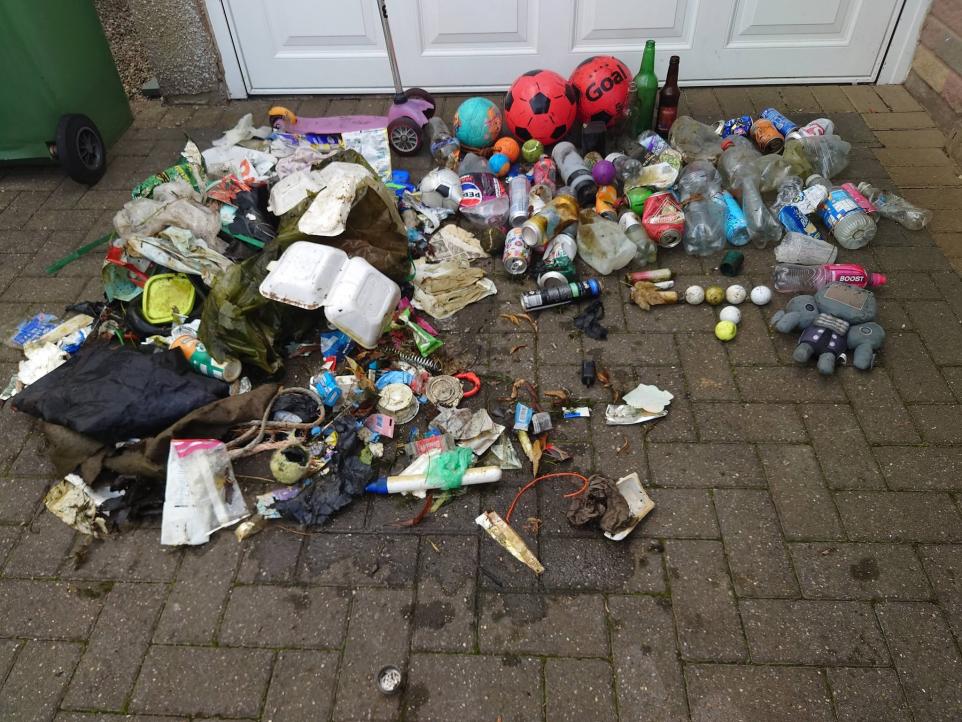
A Cumbrian council has issued just one littering fine over three years, raising questions about how environmental offences are enforced.
The reported figure highlights the limited use of financial penalties against people who leave rubbish in public places. Littering can affect town centres, residential streets, parks and popular visitor destinations, creating additional work for street-cleaning teams and community volunteers. It also raises concerns about whether enforcement is sufficiently visible to discourage people from discarding waste irresponsibly.
The figures should be considered alongside the wider responsibilities of local authorities. Councils are expected to keep publicly accessible land under their control clear of litter, as far as is practicable. They also have powers to investigate suspected offences and issue fixed penalty notices or pursue prosecution where there is sufficient evidence.
Government guidance confirms that dropping and leaving litter is an offence under the Environmental Protection Act 1990. The rules cover items such as cigarette ends, drinks containers, food packaging and other discarded materials. Depending on the circumstances, an authorised officer can issue a fixed penalty notice instead of taking the case to court.
The guidance states that fixed penalties for littering in England can range from £65 to £500. A person found guilty of the offence in court can face a fine of up to £2,500. Enforcement is intended to discourage offending and improve public spaces, rather than provide councils with an additional source of income.
Westmorland and Furness Council provides separate reporting routes for littering across its service areas, including Barrow, Eden and South Lakeland. Residents can report waste problems in the area where they occur, helping the authority direct reports to the appropriate teams. The council also provides information about organising community litter picks and borrowing equipment.
The authority has previously acknowledged concerns about litter and fly-tipping in parts of Barrow. In April 2025, it reported that a targeted clean-up of back streets had removed more than 900kg of dumped waste, including household rubbish, mattresses and broken furniture. The operation involved council staff, local volunteers and police community support officers.
Separate figures presented to the council’s Communities and Environment Scrutiny Committee in April 2026 recorded 1,761 fly-tipping incidents during 2024–25, alongside 24 fixed penalty notices and one prosecution. These figures relate to environmental crime reporting and should not be treated as a breakdown of littering fines alone.
The reported low number of littering fines raises questions about the balance between education, prevention and formal enforcement. Councils have discretion over when to issue penalties, and national guidance recommends that action should be proportionate, targeted and supported by efforts to change behaviour.
For further local news, community updates and story tips, contact news@lakelandpost.co.uk or 0333 090 2080.