
Carlisle Man's Laughing Gas Addiction Highlighted After 145 Empty Canisters Found
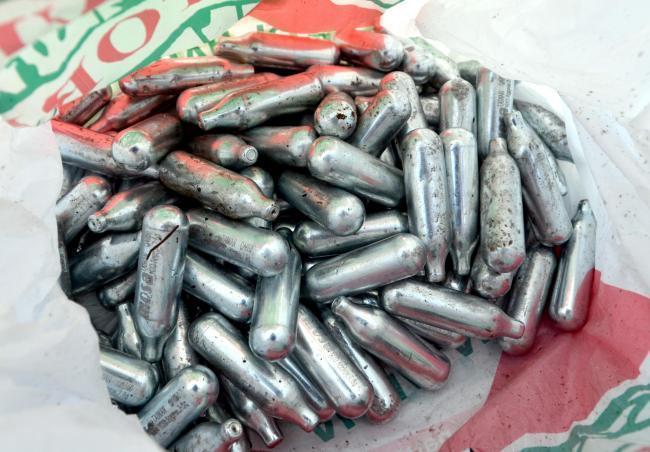
A man's reported addiction to laughing gas in Carlisle has highlighted concerns about nitrous oxide misuse after 145 empty canisters were discovered, raising questions about the effects of prolonged substance use.
Nitrous oxide, commonly known as laughing gas, is a colourless substance used legitimately in medical and dental settings, as well as in certain food-production processes. However, some people inhale it for its short-lived psychoactive effects. Repeated use can lead to serious health complications, particularly through vitamin B12 deficiency, which can damage the nervous system and affect the spinal cord. Symptoms may include numbness, tingling, muscle weakness and difficulties with balance and walking.
The discovery of 145 empty canisters illustrates the scale of concern surrounding recreational use. Discarded containers have also become an issue in other parts of Carlisle, with neighbourhood policing officers previously recovering dozens of canisters during local patrols. In December 2025, police reported finding 55 nitrous oxide canisters on the Raffles estate in less than an hour, following concerns about substance misuse in the area.
Under legislation introduced in November 2023, nitrous oxide became a Class C controlled drug in England and Wales when possessed for unlawful recreational use. Possession with the intention of inhaling it to experience its psychoactive effects is a criminal offence. The substance remains legal for legitimate purposes, including medical treatment and catering, provided the relevant legal requirements are followed.
Health professionals have warned that heavy or repeated consumption can have lasting consequences. Nitrous oxide interferes with the body's ability to use vitamin B12, potentially causing neurological damage if exposure continues. In severe cases, people can experience significant mobility problems and may require hospital treatment and rehabilitation. The effects can vary depending on the amount consumed and the duration of use.
The problem also creates additional work for local authorities, police officers and environmental organisations dealing with discarded containers. Empty canisters left in public spaces can create litter problems, while pressurised containers disposed of incorrectly can pose hazards at waste-processing facilities. Similar concerns have been raised at Lake District beauty spots, where discarded cylinders have required specialist collection and disposal.
The precise circumstances surrounding the Carlisle man's case, including his identity, the location where the 145 canisters were discovered, any medical treatment and whether legal proceedings have taken place, could not be independently verified. The reported case nevertheless draws attention to the potential consequences of nitrous oxide misuse and the importance of access to appropriate health and addiction support.
For further local news, community updates and story tips, contact news@lakelandpost.co.uk or 0333 090 2080.