
Second Well-Known British Celebrity Reportedly Granted Injunction Over Allegations
A second British public figure has reportedly obtained a court injunction preventing the publication of allegations, raising fresh questions about media restrictions.
The development emerged following comments by journalist Justine Smith on the Private Eye Podcast. She discussed another man in the public eye who had secured legal protection preventing reports about allegations involving him. Smith suggested that the restrictions were preventing journalists from publishing information, even though at least one alleged victim was reportedly willing to speak publicly. The individual's identity and the nature of the allegations have not been disclosed.
Smith said there were two men who could not currently be named because of injunctions. She indicated that the legal proceedings had taken place at different times, with one case more recent than the other. Her comments have brought renewed attention to the way court orders can restrict reporting about allegations involving prominent individuals.
According to Smith, the second individual was the subject of allegations involving multiple alleged victims. She said she had spoken to one person who was prepared to identify herself publicly, but that legal restrictions prevented the information from being reported. These remain claims made by the journalist, and the restricted material cannot be independently examined or treated as established fact.
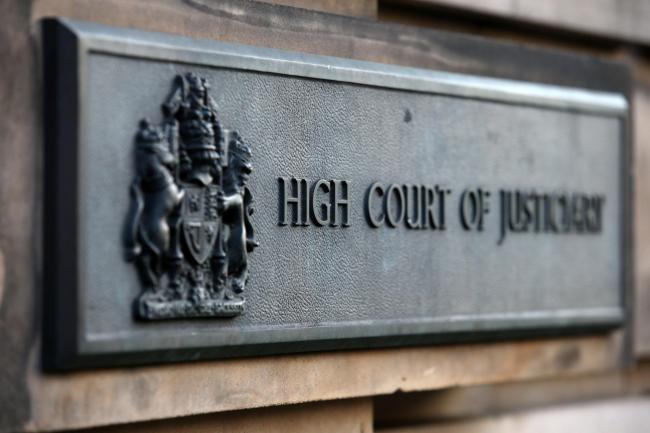
The latest reports have attracted attention partly because they follow the separate High Court case involving David Walliams. The comedian and former Britain's Got Talent judge had sought an injunction to prevent publication of allegations concerning his conduct towards women. His application was rejected by Mr Justice Matthew Nicklin, allowing the media organisations involved to publish their investigation.
Walliams has denied the allegations made against him. The case involved reporting by The Guardian and ITV News, which investigated claims of sexual misconduct. The court proceedings examined whether publication should be prevented, including arguments relating to his personal circumstances and the potential consequences of making the allegations public.
The judge recognised evidence concerning Walliams' mental health and the risks raised by his legal team. However, the court concluded that the case did not justify preventing publication, taking account of the media organisations' rights and the public interest. The ruling did not establish the truth of every allegation, which remains a separate matter from the legal decision about publication.
The contrast between the two cases has prompted discussion about how injunctions are used in England and Wales. While Walliams was unsuccessful in preventing publication, the second unnamed figure is reportedly protected by a separate order. The details of that order, including its precise scope and the circumstances in which it was granted, have not been made publicly available.
An injunction is a court order that can prevent a person or organisation from taking a particular action or require them to do something. In media cases, courts may grant injunctions to restrict the publication of private or confidential information where legal requirements are satisfied. The restrictions can apply to newspapers, broadcasters and other publishers.
A super-injunction is a more restrictive form of legal order. It can prevent publication not only of the information at issue but also of the existence of the injunction itself. Such orders are relatively rare and can create additional challenges for journalists seeking to report matters of public interest.
Interim injunctions may also be granted while a wider legal dispute is being considered. These orders can remain in place temporarily, depending on the circumstances and any further court decisions. Judges generally consider whether there is a serious issue to be tried and whether damages would provide an adequate remedy if publication were allowed.
The latest controversy has renewed debate about the balance between individual privacy, freedom of expression and the public interest. Supporters of press freedom argue that legal restrictions should not prevent responsible reporting on matters involving potential harm. Others emphasise that individuals are entitled to legal protection where publication could unjustifiably interfere with their privacy or cause serious damage.
The Government has also faced questions about the use of injunctions in cases involving allegations of sexual misconduct. Ministers have indicated that they are examining whether further action may be appropriate, while recognising that decisions on individual applications are matters for independent courts. Any changes would need to consider both the rights of individuals and the ability of journalists to report matters of genuine public concern.
For now, the identity of the second public figure and the details of the allegations remain subject to legal restrictions. Media organisations must comply with the relevant court orders, and speculation about the individual's identity could risk breaching those restrictions. Further developments will depend on any subsequent legal proceedings or changes to the orders.
For further local news, community updates and story tips, contact news@lakelandpost.co.uk or 0333 090 2080.