
Westmorland And Furness Council Approves New Powers To Tackle Empty Shops
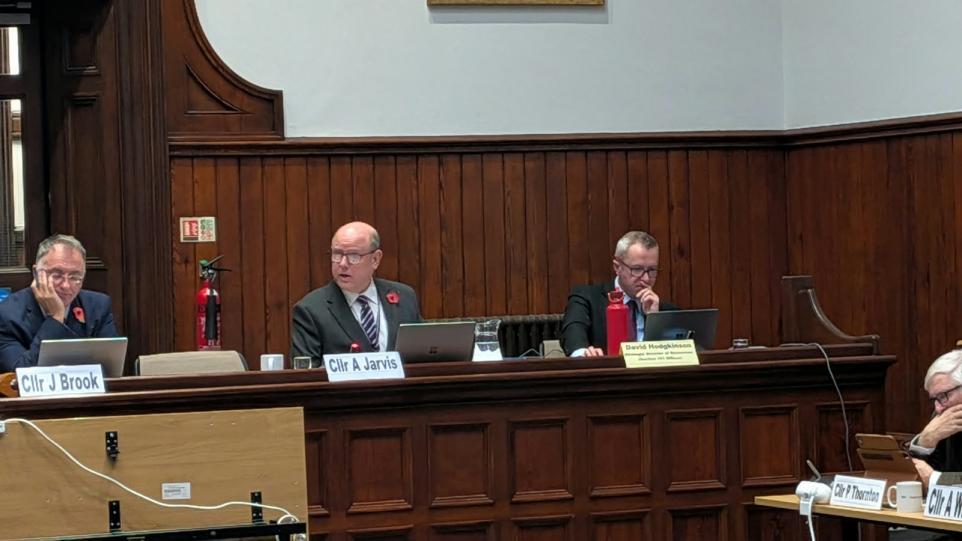
Westmorland and Furness Council has approved new measures allowing it to tackle persistently empty shops and revive struggling high streets across the region.
The decision was made by the council's Cabinet on 10 November, approving pilot designations for four towns: Barrow, Kendal, Penrith and Ulverston. The scheme will use government-backed High Street Rental Auction powers, enabling the authority to arrange rental auctions for qualifying commercial premises where landlords have not taken reasonable steps to find tenants. The initiative aims to bring unused buildings back into productive use and encourage greater economic activity.
Under the new arrangements, commercial properties that have remained unoccupied for at least 12 consecutive months, or for a combined total of 366 days within a 24-month period, could become eligible for the process. Before intervening, the council must follow the required statutory notification procedures and give property owners an opportunity to address the vacancy by finding suitable tenants themselves.
High Street Rental Auctions were introduced in December 2024 under provisions of the Levelling-up and Regeneration Act 2023. The legislation gives local authorities the ability to arrange an auction and grant a commercial lease to a successful bidder when qualifying properties remain unused. Depending on the circumstances, successful tenants could secure leases lasting between one and five years, creating opportunities for businesses and community organisations seeking premises.
In Barrow, the proposed pilot designation covers several important town centre streets, including Cavendish Street, Dalkeith Street, Dalton Road, Duke Street, Paxton Street, Portland Walk, Scott Street and William Street. These locations form part of the town's commercial area, where bringing vacant premises back into use could help attract new businesses, improve the shopping environment and encourage more people to visit local retailers and services.
Kendal's designated area includes Allhallows Lane, Angel Yard, Berry's Yard, Blackhall Yard, Branthwaite Brow, Elephant Yard, Finkle Street, Highgate, Kirkgate, Library Road, Market Place, New Shambles, Stramongate, Stricklandgate, Wainwrights Yard, Woolpack Yard and Smokehouse Yard. The inclusion of these locations is intended to give the council a framework for addressing long-term vacancies across the town's commercial centre.
In Penrith, the proposed designation includes Angel Lane, Angel Square, Bowling Green Lane, Brewery Lane, Burrowgate, Castlegate, Cornmarket, Devonshire Street, Great Dockray, King Street, Little Dockray, Market Square, Middlegate, Poets Walk, Princes Street, Queen Street, St Andrews Churchyard, St Andrews Square and St Andrews View. The wider coverage is intended to provide opportunities for new commercial and community uses in areas affected by empty premises.
Ulverston's proposed area includes Bolton's Place, Brogden Street, County Square, Daltongate, King Street, Market Place, Market Street, New Market Street, Queen Street, Union Street and Upper Brook Street. Together, the four town designations provide the council with a targeted approach to tackling commercial property vacancies while supporting different types of businesses and organisations.
The council's latest figures highlight the scale of the challenge facing the four towns. Barrow recorded a commercial vacancy rate of 25.1 per cent, excluding The Mall, while Kendal stood at 18.1 per cent. Ulverston recorded 15.1 per cent and Penrith 13.1 per cent. The figures demonstrate the differences between the towns but also underline the need for measures to address unused commercial premises.
Councillor Jonathan Brook, Leader of Westmorland and Furness Council and Cabinet Member for the Economy, said vibrant and diverse town centres were central to the authority's ambition for a thriving and sustainable local economy. He explained that bringing long-term empty properties back into productive use could support growing businesses, strengthen local economies, improve the appearance of high streets and create more attractive places for residents, visitors and investors.
The council's approach is not intended to transfer ownership of empty commercial buildings to the authority. Landlords will remain the legal owners of their properties, and the new powers will only allow the council to arrange a lease where the relevant legal conditions have been met. Property owners will also retain the opportunity to let their premises voluntarily rather than having a rental auction arranged on their behalf.
Following Cabinet approval, a further 28-day consultation will take place on the agreed designations. The council will also proceed with the policy framework and governance arrangements needed to implement the scheme. The initiative is expected to provide a new tool for addressing long-term commercial vacancies while creating opportunities for local enterprises, independent retailers, community facilities, cafés and other services to establish themselves in town centres.
For further local news, community updates and story tips, contact news@lakelandpost.co.uk or 0333 090 2080..