
Rising Fuel Costs Hit British Airways Owner IAG As Profits Fall
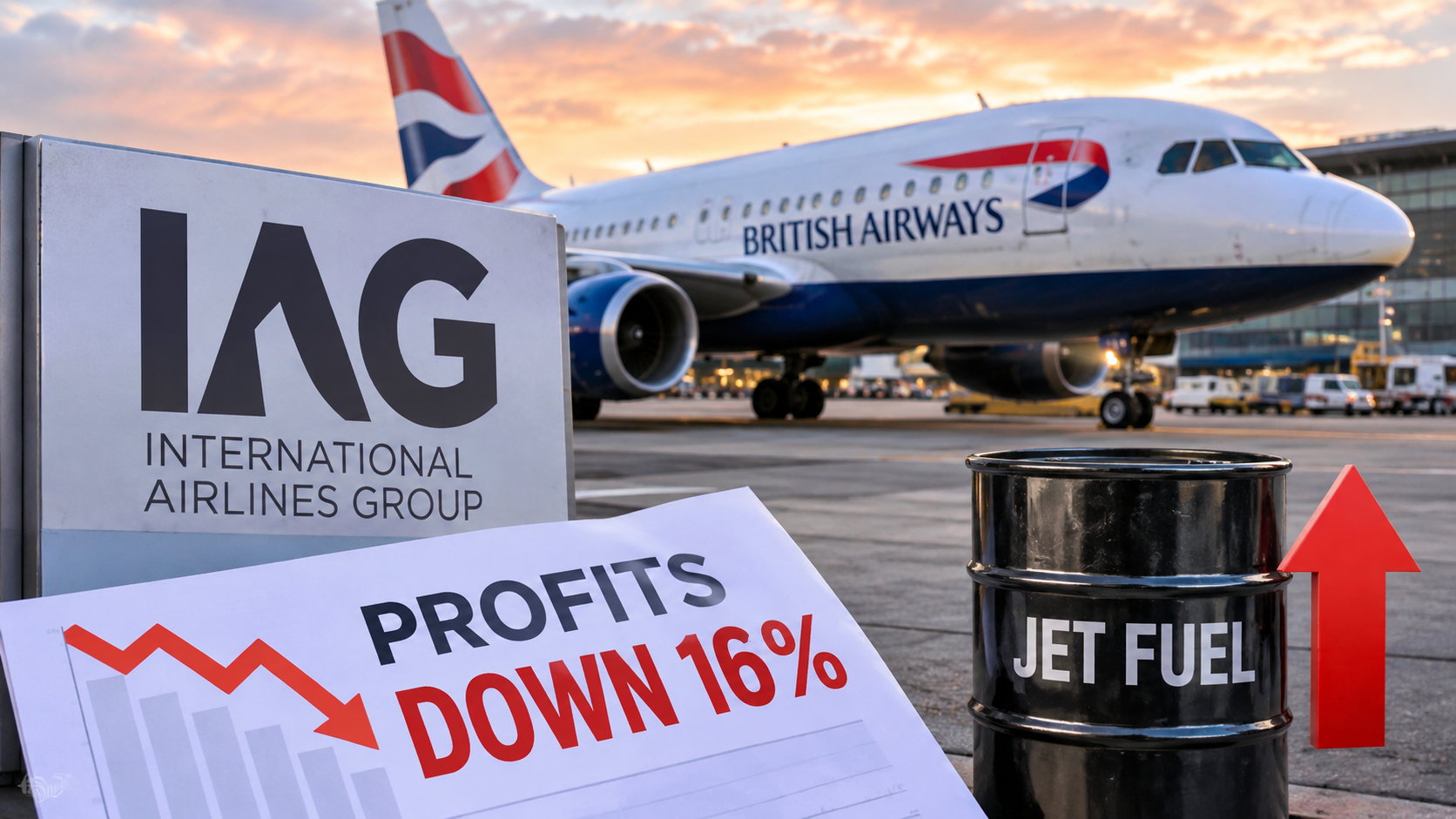
British Airways owner IAG has reported falling profits as soaring jet fuel costs and international disruption put pressure on its airline businesses.
The London-listed group, which also owns Aer Lingus, Iberia and Vueling, recorded pre-tax profits of approximately €3 billion for the nine months to the end of September. This represented a decline of 16 per cent compared with the same period last year. The company attributed much of the pressure to a significant increase in jet fuel prices from March onwards, following the outbreak of conflict in the Middle East.
IAG's fuel expenditure, including emissions charges, reached €6.4 billion during the first nine months of the year. This was 19 per cent higher than the corresponding period in 2025, reflecting the impact of rising commodity prices and disruption to shipping and oil exports through the Strait of Hormuz.
The group now expects its total fuel bill for 2026 to reach approximately €8.9 billion. That is higher than its previous forecast of between €8.3 billion and €8.6 billion, underlining the scale of the additional costs facing the aviation business. The forecast takes account of the company's arrangements to secure some fuel supplies at agreed prices in advance.
The pressure was also evident in IAG's third-quarter results. Revenue increased by 4.5 per cent to €9.74 billion in the three months to September 30, but pre-tax profit fell by 12.9 per cent to €1.63 billion. Operating profit declined by 15.9 per cent to €1.73 billion, showing that higher income from passengers was not enough to offset the rise in operating costs.
The company has also faced disruption caused by air traffic control problems. An incident involving National Air Traffic Services on September 8 led to more than 2,000 flight cancellations across the aviation sector and affected hundreds of thousands of passengers.
IAG estimated that the incident cost the group between €25 million and €30 million during the third quarter. Around 500 of its flights were affected, involving approximately 85,000 customers. The disruption added to the financial pressure at a time when airlines were already dealing with substantially higher fuel prices.
The Middle East conflict has been a major factor behind the increase in aviation fuel costs, particularly because of disruption to important shipping routes and oil exports. Airlines have been able to limit some of the immediate impact through fuel hedging, a financial arrangement that allows them to secure supplies at predetermined prices.
However, that protection is expected to become weaker next year. IAG said it had secured around 71 per cent of its expected fuel requirements for the remainder of 2026, compared with approximately 45 per cent for 2027. This leaves the group more exposed to future changes in fuel prices.
The prospect of higher costs has raised concerns about the effect on airfares. IAG has indicated that British Airways has been recovering close to 100 per cent of its higher fuel costs through ticket prices, while the wider group has passed on around 80 per cent. The company has not announced a specific percentage increase for fares next year.
Chief executive Luis Gallego said demand remained resilient despite the challenging operating environment. The group has reported strong customer demand, particularly on North Atlantic routes, while premium travel has continued to support revenue. It also said bookings for the final quarter of 2026 and the beginning of 2027 were encouraging.
IAG is also taking steps to control spending and manage its available capacity. The group has indicated that its overall airline capacity in 2026 is likely to finish slightly below the previous year's level, reflecting operational disruption and a more selective approach to scheduling flights.
The company has maintained a positive assessment of its business despite the reduction in profits. Mr Gallego said the group had delivered a resilient quarter in the face of very high fuel prices and one-off disruption events. IAG is continuing its cost-saving efforts and believes these measures will help limit the impact of higher fuel and other operating expenses.
The results highlight the difficult balance facing major airlines: passenger demand and revenue can continue to grow while higher fuel prices and operational problems reduce the amount of money left as profit. With fuel costs expected to remain a significant challenge into 2027, the group's ability to manage expenses and maintain demand will be closely watched by investors and passengers.
For travellers, the figures raise the possibility that higher ticket prices could continue into next year, although IAG has not provided a firm forecast for fare increases. The company's next results and developments in the Middle East will help determine how much further pressure its airline businesses face.
For further local news, community updates and story tips, contact news@lakelandpost.co.uk or 0333 090 2080.