
Barrow Marks 125 Years Of British Submarine Construction
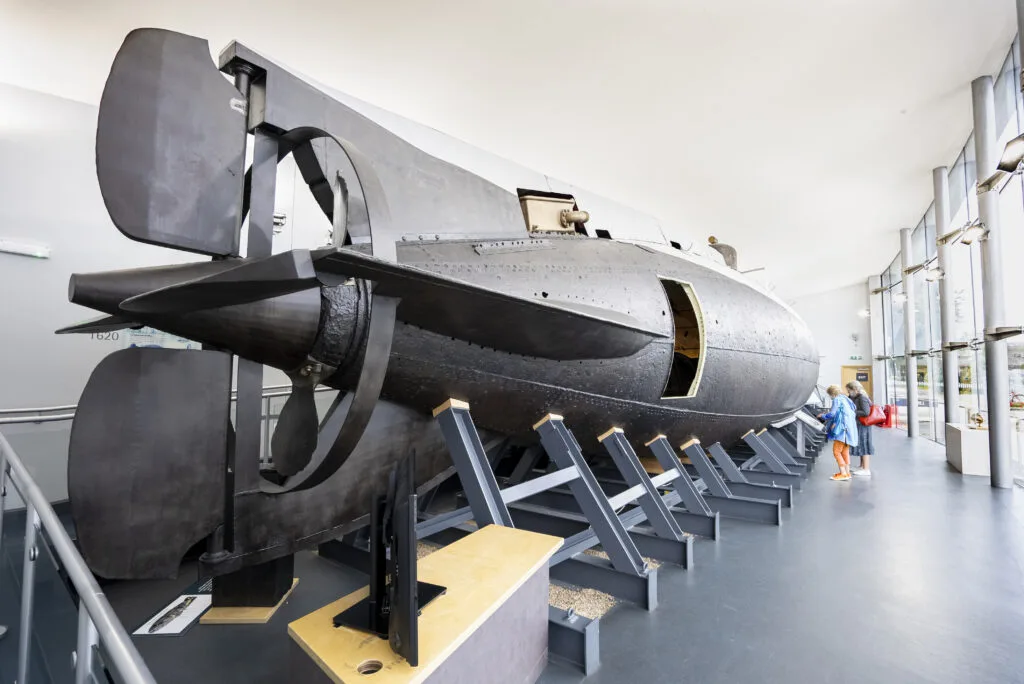
Barrow-in-Furness is marking 125 years of submarine construction, celebrating generations of workers who helped establish the town as Britain's submarine-building centre.
The milestone dates back to October 2, 1901, when Holland 1, the Royal Navy's first submarine, emerged from a shipyard shed in Barrow. Built under licence using a design developed by American engineer John Philip Holland, the experimental vessel marked the beginning of a new chapter in British naval engineering. Its construction took place largely out of public view, reflecting the uncertainty and secrecy surrounding early submarine development.
Holland 1 was built inside Yacht Shed Number 1, at a time when submarines were still viewed with suspicion by parts of the Royal Navy. The vessel was approximately 63 feet long and had a distinctive cigar-shaped design. Although Britain was not the first country to develop submarine technology, the Navy recognised its potential strategic importance and began exploring how the new vessels could contribute to national defence.
The first submarine's arrival helped establish Barrow as the centre of Britain's submarine production. The town's location on the Furness peninsula and its existing shipbuilding capabilities provided the foundations for the work. What began as an experimental project gradually developed into a major industrial operation, involving generations of designers, engineers, skilled tradespeople and naval personnel.
Submarine production expanded significantly during the First World War. Barrow became an important supplier to the Royal Navy, with 64 submarines launched between 1914 and 1919, including 39 during the final three years of that period. The vessels demonstrated the growing military importance of submarine warfare and helped establish the shipyard's reputation for building complex naval craft.
Production increased again during the Second World War, when more than 90 submarines were built in Barrow. The work placed considerable demands on the local industrial workforce and strengthened the town's connection with the Royal Navy. Over time, submarine construction became a defining part of Barrow's identity, supporting employment and developing specialist engineering skills that would remain important for decades.
A further major transformation came during the Cold War with the introduction of nuclear propulsion. On October 21, 1960, HMS Dreadnought entered Walney Channel, becoming the UK's first nuclear-powered submarine. Although it used an American-built reactor, the vessel represented a major technological milestone for the Royal Navy and opened a new era of submarine construction in Barrow.
The nuclear era brought new submarine classes, including Valiant, Warspite, Resolution, Churchill, Swiftsure and Trafalgar. Each generation involved developments in engineering, propulsion, weapons systems and onboard technology. The shipyard's work evolved alongside the Royal Navy's changing requirements, requiring specialist knowledge and close cooperation between the people designing and building the vessels and those who would operate them.
Today, BAE Systems operates the Barrow shipyard and builds the Royal Navy's nuclear-powered submarines. The current programmes include the Astute and Dreadnought classes, representing some of the most technically demanding engineering projects undertaken in the UK. The government continues to identify Barrow as the country's submarine-building centre and a critical part of its defence industrial capability.
More than 13,000 people are reported to work on submarine construction in Barrow, according to the anniversary feature published in August. Their roles span engineering, manufacturing, design and specialist trades. The workforce also includes apprentices and new recruits who are being trained to develop the skills needed to support current and future submarine programmes.
Training is a central part of maintaining the shipyard's expertise. BAE Systems' Submarines Academy for Skills and Knowledge provides new employees and apprentices with practical familiarisation before they begin working on submarine platforms. Manufacturing director Brian Hurley, who began working at the shipyard in 1985, has described how essential traditional skills remain, including the installation of pipes, valves and structural steelwork.
Hurley also highlighted the longstanding family connections within the shipyard workforce. His father worked there for at least 40 years, while his grandfather spent at least 30 years at the site. Such connections reflect how submarine construction has shaped employment and family histories in Barrow, with knowledge and experience passed between generations of workers.
The physical process of building submarines has also changed considerably. Earlier vessels were constructed in the open and launched into the water, while modern submarines are assembled inside the large Devonshire Dock Hall. The facility has transformed the construction process, allowing work to take place undercover and enabling the use of modern equipment and specialist production methods.
Technology inside submarines has developed alongside changes in construction. Modern systems increasingly rely on digital interfaces and advanced controls, requiring workers to learn new technical skills. The relationship between the shipyard and the Royal Navy remains essential, as the quality of the finished submarines directly affects the safety and operational capability of the crews who will serve aboard them.
The 125-year milestone recognises more than the history of a shipbuilding facility. It highlights Barrow's contribution to national defence, industrial development and specialist engineering, while acknowledging the people whose work has sustained the industry. As construction continues on the next generation of submarines, the town remains central to Britain's naval manufacturing future.
For further local news, community updates and story tips, contact news@lakelandpost.co.uk or 0333 090 2080.