
£12 Billion Pioneer Park Masterplan Nears Completion In West Cumbria
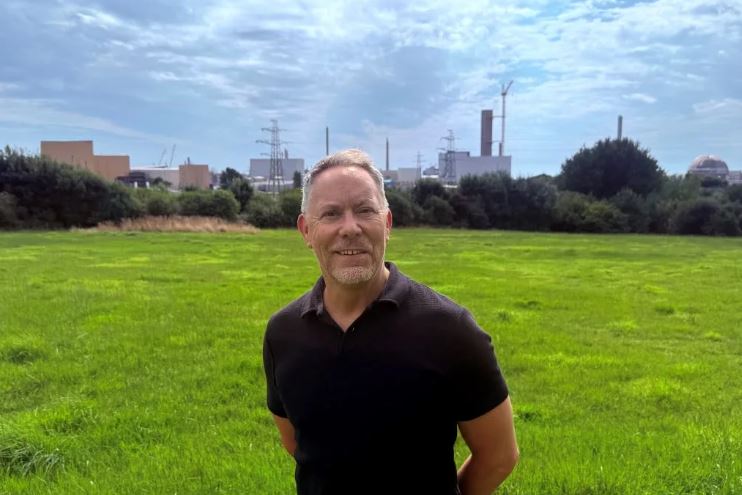
A major clean energy and technology development planned beside Sellafield is moving closer to delivery, with its masterplan expected to be completed soon.
Pioneer Park is a proposed 200-acre development intended to attract investment in advanced nuclear technologies, clean energy, artificial intelligence and high-performance computing. The project aims to build on West Cumbria’s established nuclear expertise, industrial infrastructure and specialist supply chains while encouraging new industries to establish themselves in the region. Its backers hope the development will diversify the local economy, create employment opportunities and strengthen the area’s position in the UK’s future energy and technology sectors.
The masterplanning programme is expected to be completed within the next two months, providing a framework for how the site could be developed and delivered. The work is intended to establish a clearer vision for the land, identify potential development opportunities and help guide future investment decisions. Once the masterplan is ready, it will need to progress through the relevant review and approval stages before the project can move towards implementation.
The development is being led by BEC in partnership with the Nuclear Decommissioning Authority, Cumberland Council, Sellafield Ltd, the Department for Energy Security and Net Zero, and Whitehaven and Workington MP Josh MacAlister. The collaboration brings together organisations involved in nuclear decommissioning, local government, energy policy and regional economic development. Their shared objective is to make use of West Cumbria’s existing industrial strengths while creating opportunities beyond its traditional reliance on nuclear decommissioning activity.
The project carries an ambition to unlock up to £12 billion in private investment for West Cumbria. This figure represents the potential scale of investment sought through the development rather than funding that has already been secured. The long-term vision includes attracting businesses involved in new nuclear power, advanced manufacturing, clean energy and digital technology. The proposed development could therefore become an important part of efforts to broaden the region’s economic base and support further industrial activity.
Michael Pemberton, chief executive of BEC, said the 70th anniversary of Calder Hall offered an opportunity to recognise the generations of people who established West Cumbria as a centre of nuclear expertise. He also said the milestone should encourage consideration of what the region could achieve in the decades ahead. Pemberton highlighted the potential to use existing skills, infrastructure and supply chains to attract new investment, industries and opportunities for local communities.
Pemberton described the scale of the opportunity as significant, with the project aiming to unlock billions of pounds in private investment. The intention is to build on the region’s established capabilities rather than develop the site in isolation from its surroundings. West Cumbria already has a substantial concentration of nuclear-related expertise and industrial experience, which the project’s backers believe could help attract organisations working in emerging energy and technology sectors.
The announcement coincides with the 70th anniversary of Calder Hall, which was officially opened by Queen Elizabeth II on 17 October 1956. The facility became an important part of Britain’s early nuclear history and helped establish West Cumbria’s role in the development of nuclear technology. Its legacy remains closely connected to the region’s industrial identity, workforce and specialist engineering capabilities, providing a historical backdrop to the proposed development of Pioneer Park.
Calder Hall was decommissioned in 2003, and demolition work has since begun freeing up land associated with the former station. The transition from the early nuclear era towards new industrial opportunities reflects the wider changes taking place across the region. While nuclear decommissioning remains a major activity, Pioneer Park is intended to explore how land, infrastructure and expertise could also support future energy technologies and other high-value industries.
Josh MacAlister said Calder Hall had placed West Cumbria at the centre of the world’s nuclear future seven decades ago. He highlighted the contribution of generations of local workers who helped develop the region’s nuclear skills, expertise and industrial capability. MacAlister also emphasised the importance of building on that legacy so that future generations can benefit from comparable employment and development opportunities as the energy sector changes.
MacAlister said the area needed to look beyond decommissioning alone and create opportunities for new nuclear power, advanced manufacturing and other industries. He described Pioneer Park as an opportunity to attract major investment and support thousands of skilled, well-paid jobs. He also said he was working with government and local partners to help turn the project’s ambitions into reality, with the aim of ensuring that communities across West Cumbria benefit from future development.
Cumberland Council has identified Pioneer Park as a key strategic investment within its Economic and Inclusive Growth Strategy. Council leader Mark Fryer said the development could build on the area’s existing strengths while supporting a more diverse local economy. The strategy places emphasis on expanding economic opportunities and helping people and communities fulfil their potential, with Pioneer Park expected to form part of the wider approach to future growth across the region.
The development could also create opportunities for businesses already operating in West Cumbria. A wider range of industrial activity may generate demand for engineering services, specialist suppliers, construction work, technical expertise and other support services. The extent of those opportunities will depend on the final masterplan, investment decisions and the businesses that ultimately choose to establish operations at the site. For local companies, the project represents a potential route into new supply chains associated with energy and advanced technology.
Pioneer Park is also intended to support the development of a more varied employment base for the area. The proposed mix of clean energy, nuclear technology, artificial intelligence and high-performance computing could create demand for different technical and professional skills. However, the scale and timing of employment opportunities will depend on how the development progresses and which projects move forward. The masterplan is expected to provide greater clarity on the proposed layout and the stages through which the site could be brought into use.
The project follows earlier work to establish the foundations for its development, including funding from the Nuclear Decommissioning Authority to support preparation of the masterplan. Specialist engineering and infrastructure organisations have been appointed to help shape the proposals, with the process intended to turn the broad vision into a more detailed and deliverable plan. Community and stakeholder engagement has also formed part of the development process, giving residents, businesses and local organisations opportunities to contribute views about the site's future.
As the masterplanning work approaches completion, attention will turn towards the next stages required to secure investment and move the proposals forward. Completing the plan will represent an important milestone, but it will not by itself mean that all proposed facilities have been funded or approved for construction. The development will need continued collaboration between its partners, potential investors and relevant authorities as individual opportunities are assessed and the wider vision is developed.
The anniversary of Calder Hall provides a reminder of the role nuclear industry has played in shaping West Cumbria’s economy over several generations. Pioneer Park’s backers want the proposed development to build on that industrial heritage while supporting a broader range of future industries. If the investment ambition is realised, the project could have significant implications for local employment, business growth and the region’s economic direction, although its eventual impact will depend on delivery of the plans.
Got a news story or tip to share? Contact our editorial team by emailing news@lakelandpost.co.uk or call us directly on 0333 090 2080.